 Save
Save The first time I decorated a cake with gold leaf, my hands were shaking so badly I nearly dropped the sheet onto the floor. My cousin was graduating, and I'd promised something elegant—something that looked like it came from a fancy bakery, not my home kitchen. As I brushed those delicate gold fragments onto the buttercream, watching them catch the light, I realized this wasn't just about impressing anyone. It was about marking a moment that mattered, turning flour and eggs into something that celebrated someone's hard work and fresh beginning.
I made this cake for my best friend's graduation ceremony on a June morning when the kitchen was already hot, and I was convinced something would go wrong. My sister came in halfway through decorating, took one look at the gold leaf shimmering on the white buttercream, and asked if I'd hired a pastry chef. By the time we arrived at the celebration, watching my friend cut into it surrounded by proud family members, I understood why people bake cakes for milestones—it's the edible version of saying, "You matter, and this moment deserves something beautiful."
Ingredients
- All-purpose flour (2 1/2 cups): The foundation of a tender, not-too-dense crumb; sifting it with the baking powder helps distribute the leavening evenly.
- Baking powder (2 1/2 tsp): What gives the cake its lift and feathery texture; don't skip the step of whisking it with flour first.
- Salt (1/2 tsp): A small amount that brightens the vanilla flavor and balances sweetness in ways you won't notice until it's missing.
- Unsalted butter (1 cup for cake, plus 1 1/2 cups for buttercream): Room temperature butter creams properly; cold butter leads to a dense, grainy texture.
- Granulated sugar (2 cups for cake, 1 1/4 cups for buttercream): It's what gives structure and helps the eggs incorporate air during beating.
- Eggs (4 large for cake, 5 large egg whites for buttercream): Room temperature eggs emulsify better and create a smoother batter; cold eggs can cause the mixture to separate.
- Vanilla extract (1 tbsp for cake, 2 tsp for buttercream): Pure vanilla, not imitation, makes a noticeable difference in flavor depth.
- Whole milk (1 cup): The moisture component that keeps the cake tender; alternating it with flour prevents overmixing.
- Edible gold leaf sheets: Check that yours is food-safe and labeled specifically for consumption; some craft gold is not edible.
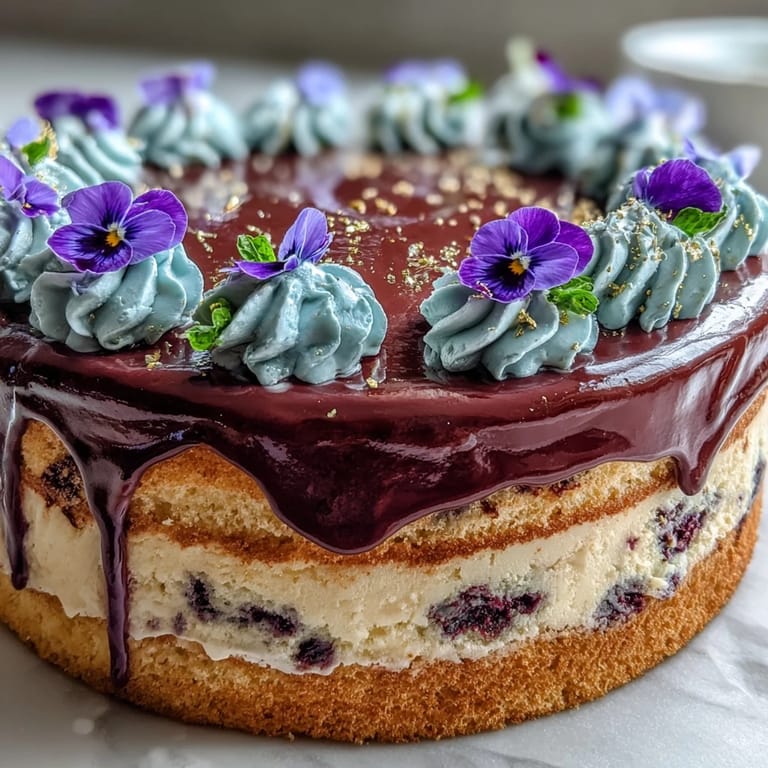
- Edible flowers (pansies, violets, roses): Must be grown without pesticides and specifically labeled as edible; grocery store florist flowers are treated with chemicals.
- Food-safe paintbrush: A soft brush keeps gold leaf from tearing and allows precise application.
Tired of Takeout? 🥡
Get 10 meals you can make faster than delivery arrives. Seriously.
One email. No spam. Unsubscribe anytime.
Instructions
- Prepare your pans and preheat:
- Set your oven to 350°F and grease three 8-inch round pans, then line the bottoms with parchment circles so the cakes release cleanly. Having everything ready before you start mixing means you won't be rushed when the batter is ready to bake.
- Mix the dry ingredients:
- Whisk flour, baking powder, and salt together in a bowl; this disperses the leavening agent evenly throughout the flour. Set it aside and forget about it for now.
- Cream butter and sugar:
- Beat softened butter and sugar for about three minutes until the mixture is pale, fluffy, and noticeably lighter in color. This process incorporates air into the batter, which is what makes the cake rise and keeps it tender.
- Add eggs one by one:
- Drop in each egg individually, beating well after each addition so it fully incorporates before the next one goes in. Rushing this step or adding all eggs at once can cause the batter to look curdled and broken.
- Fold in vanilla and the dry mixture:
- Add vanilla extract, then alternate between adding the flour mixture and milk, starting and ending with flour; stir just until combined to avoid overdeveloping the gluten. Overmixing at this stage creates a tough, dense cake.
- Divide and bake:
- Distribute batter evenly among the three pans and smooth the tops so they bake at the same rate. Bake for 28 to 32 minutes, checking with a toothpick at the 28-minute mark; when it comes out clean or with just a crumb or two, you're done.
- Cool the cakes properly:
- Let them rest in the pans for 10 minutes (this helps them set), then turn them out onto wire racks to cool completely before decorating. Frosting a warm cake causes the buttercream to melt and slide.
- Make Swiss meringue buttercream:
- Combine egg whites and sugar in a heatproof bowl set over simmering water, whisking constantly until the mixture reaches 160°F and the sugar feels dissolved when you rub it between your fingers. This takes about five minutes and is a crucial safety step.
- Whip the meringue:
- Transfer the warm mixture to a stand mixer and beat on high speed until stiff peaks form and the bowl cools to room temperature; this usually takes eight to ten minutes. You're essentially turning a simple sugar syrup into stable, silky foam.
- Add butter gradually:
- Reduce mixer speed to medium and add butter a few cubes at a time, letting each addition fully incorporate before adding more. If the buttercream looks broken or separated, don't panic—keep mixing and it will come back together.
- Finish the buttercream:
- Stir in vanilla extract and a pinch of salt, which enhances the flavor without making it taste salty. Taste it and adjust vanilla to your preference.
- Assemble the cake:
- Place the first cake layer on your serving plate or cake board, spread a generous layer of buttercream on top, then repeat with the second and third layers. Once all three are stacked, crumb coat the entire cake with a thin layer of buttercream and refrigerate for 20 minutes so loose crumbs don't get mixed into your final frosting layer.
- Apply the final frosting layer:
- Use an offset spatula to apply a smooth, even layer of buttercream over the entire cake, creating a polished canvas for decoration. Take your time here; the smoother this layer, the more elegant your finished cake will look.
- Add gold leaf with care:
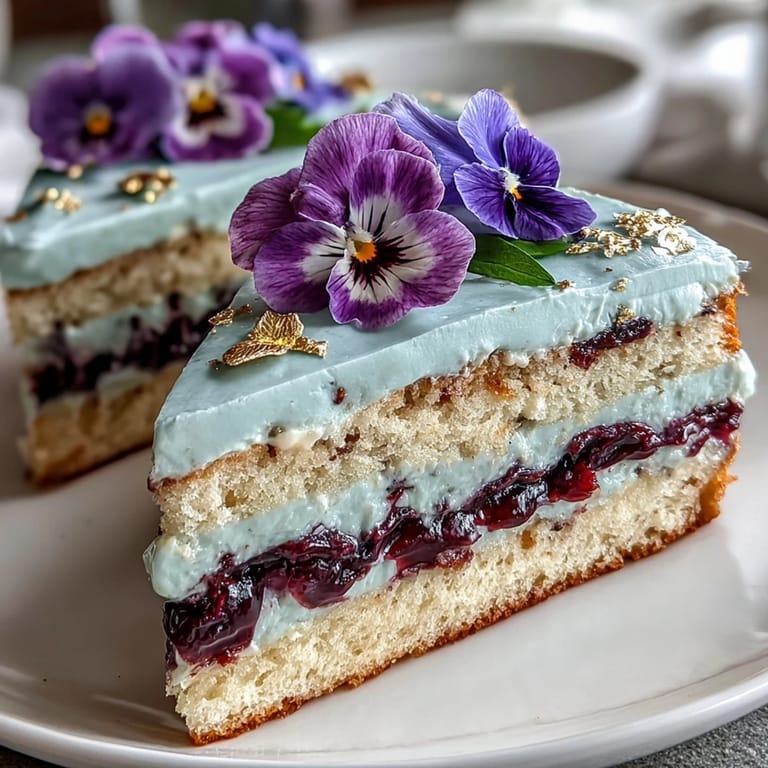
- Use a soft, food-safe paintbrush to gently apply edible gold leaf to sections of the cake, working in small areas so the leaf doesn't tear. You don't need to cover the whole cake; strategic placement creates a more sophisticated look.
- Arrange edible flowers:
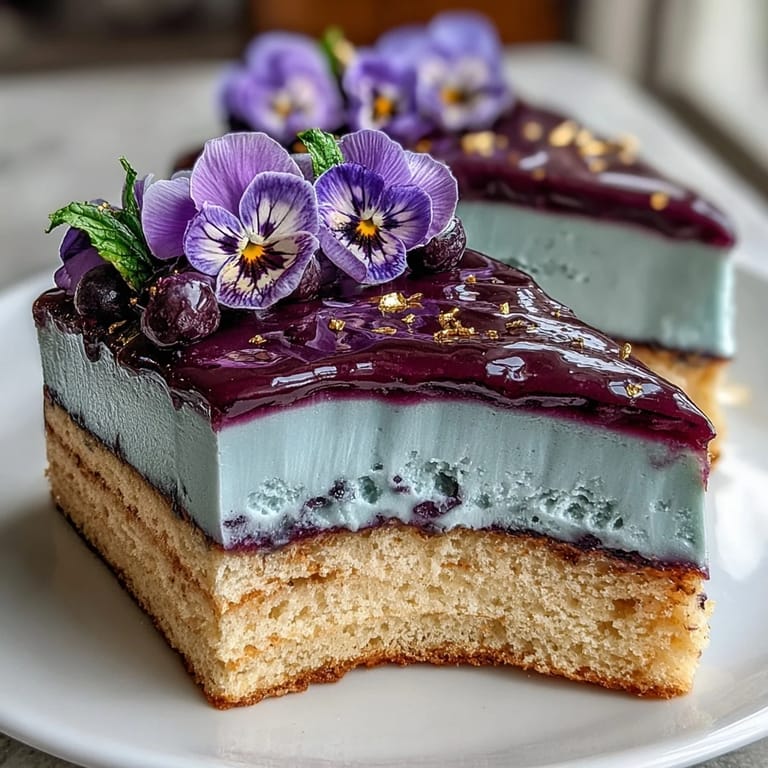
- Place your edible flowers decoratively on the cake, positioning them in clusters or scattered patterns depending on the look you want. Add a gold ribbon around the base if desired for a finished, polished appearance.
 Save
Save My neighbor watched me pipe the last swirl of buttercream and asked why I was spending so much time on a cake. I tried to explain that it wasn't really about the cake itself—it was about showing up for someone's achievement in a way that says, "I'm not just happy for you, I'm proud of you," in a language made of butter, sugar, and gold. She got it when I told her it was for a graduation.
Why Swiss Meringue Buttercream Matters
American buttercream is easier—just beat butter, powdered sugar, and milk together—but Swiss meringue is silkier, less grainy, and tastes less like eating straight sugar. The egg whites are heated to a safe temperature and whipped into a glossy foam that, when combined with butter, creates something that feels luxurious on your tongue and pipes like a dream. Once you've worked with Swiss meringue, you'll understand why French and European bakers use it as their standard.
The Gold Leaf Moment
Gold leaf is cheaper than you think and creates an impact that seems wildly disproportionate to the effort involved. The secret is using a soft brush and working in tiny sections; trying to apply a whole sheet at once usually ends with torn, crumbly bits of gold scattered everywhere. I learned this after my first attempt looked less like elegant decoration and more like I'd exploded a glitter bomb.
Making It Your Own
The vanilla sponge is a blank canvas, and the buttercream takes any flavor you want to add to it. You can infuse the buttercream with lemon zest, almond extract, or even a splash of champagne for something celebration-worthy. The decoration is where your creativity really shines—edible flowers, gold leaf, even hand-painted designs with food coloring and a fine brush can transform the cake from elegant to personalized.
- For a chocolate version, replace half a cup of flour with unsweetened cocoa powder and adjust the baking time by a minute or two.
- Chill assembled cakes overnight before frosting if you want to make the process less stressful on the day of the celebration.
- Edible flowers last longer on the cake if you add them just before serving, rather than hours in advance.
 Save
Save A beautiful cake is a small act of celebration and care, and this one tastes as good as it looks. Make it for someone who's accomplished something worth marking, or make it just because you want your kitchen to smell like vanilla and vanilla-scented joy.
Recipe FAQs
- → What type of flowers can be used for decoration?
Use only edible flowers that are pesticide-free, such as pansies, violets, or roses, to ensure safety and flavor harmony.
- → How is the Swiss meringue buttercream made?
Egg whites and sugar are heated over simmering water until dissolved, then whipped until stiff peaks form before adding butter and vanilla for a smooth, silky texture.
- → Can this cake be made gluten-free?
Substitutions like gluten-free flour blends can be used, but adjustments to baking time and texture might be necessary.
- → How is the gold leaf applied safely?
Use a food-safe paintbrush to gently apply edible gold leaf sheets on the chilled cake surface for a delicate, shimmering effect.
- → What are some beverage pairings for this dessert?
Sparkling wine or a light fruit punch complement the flavors and richness of the cake beautifully.