 Save
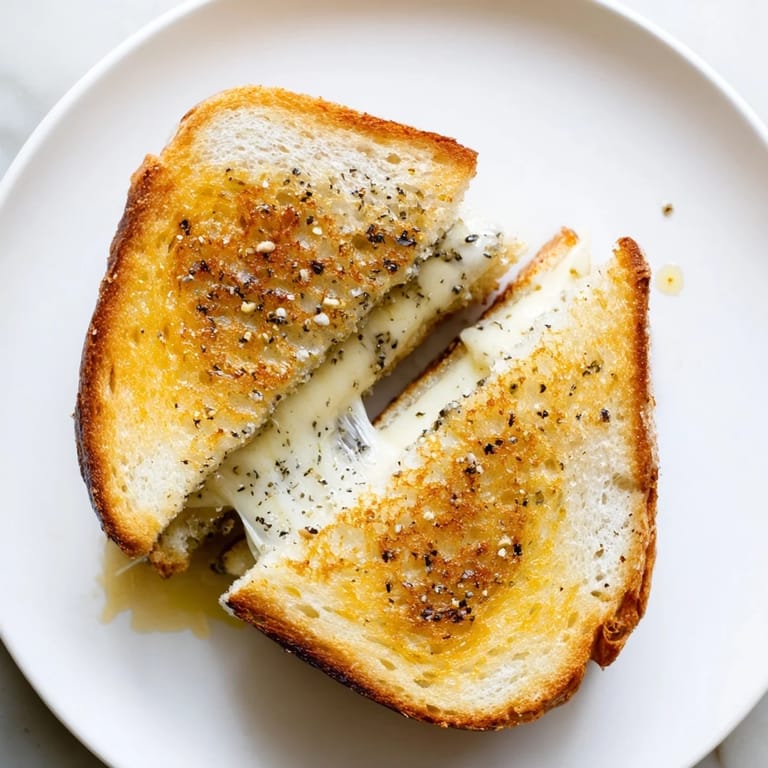
Save There's a moment in every cook's life when they realize comfort food doesn't have to stay comfortable—it can surprise you. I discovered this while standing in my kitchen on a grey afternoon, holding a bottle of truffle oil someone had gifted me months before. It felt too fancy for everyday cooking, so it had been hiding in the back of my cabinet. That day, I made grilled cheese the way I always do, but as I pulled the golden sandwich from the pan, I thought: what if? That drizzle of truffle oil transformed something I'd eaten a thousand times into something that made me pause and actually taste it.
My neighbor knocked on the door one evening, following the smell of butter and cheese down the hallway. I hadn't meant to make dinner for anyone, but when I pulled that second sandwich from the skillet and drizzled it, she took one bite and just closed her eyes. Sometimes the simplest meals become the ones people remember.
Ingredients
- Sourdough or country-style bread (4 slices): The structure matters here—soft sandwich bread will get soggy and won't hold that crispy exterior you're after.
- Sharp cheddar cheese (150 g or about 5 oz, sliced or grated): Don't reach for mild cheddar; the sharpness is what stands up to the truffle oil and keeps the sandwich from tasting one-note.
- Unsalted butter (2 tbsp, softened): Cold butter won't spread evenly, so leave it on the counter for a few minutes first.
- Truffle oil (2 tsp, white or black): This is where the magic lives—just a whisper is enough, and it should be added after cooking so the heat doesn't dull its fragrance.
- Freshly ground black pepper (pinch, optional): A tiny crack of pepper inside the sandwich adds a note you didn't know you were missing.
Tired of Takeout? 🥡
Get 10 meals you can make faster than delivery arrives. Seriously.
One email. No spam. Unsubscribe anytime.
Instructions
- Get your pan ready:
- Heat your skillet or griddle over medium heat for a minute or two—you want it warm but not screaming hot, or the outside will burn before the cheese melts inside.
- Butter each slice:
- Spread softened butter on one side of all four bread slices, using about half a tablespoon per slice and really getting into the corners.
- Build the first side:
- Place two slices buttered-side down into the pan and listen for that gentle sizzle. Layer your cheese over them, adding that pinch of pepper if you're using it.
- Close it up:
- Top with the remaining bread slices, buttered-side up, and gently press down with your spatula—you want contact but you're not making a panini.
- Cook with intention:
- Watch as the bottom starts to turn golden, about 3 to 4 minutes, then carefully flip and cook the other side until both are the same deep, burnished brown and you can hear the cheese moving inside.
- The finish:
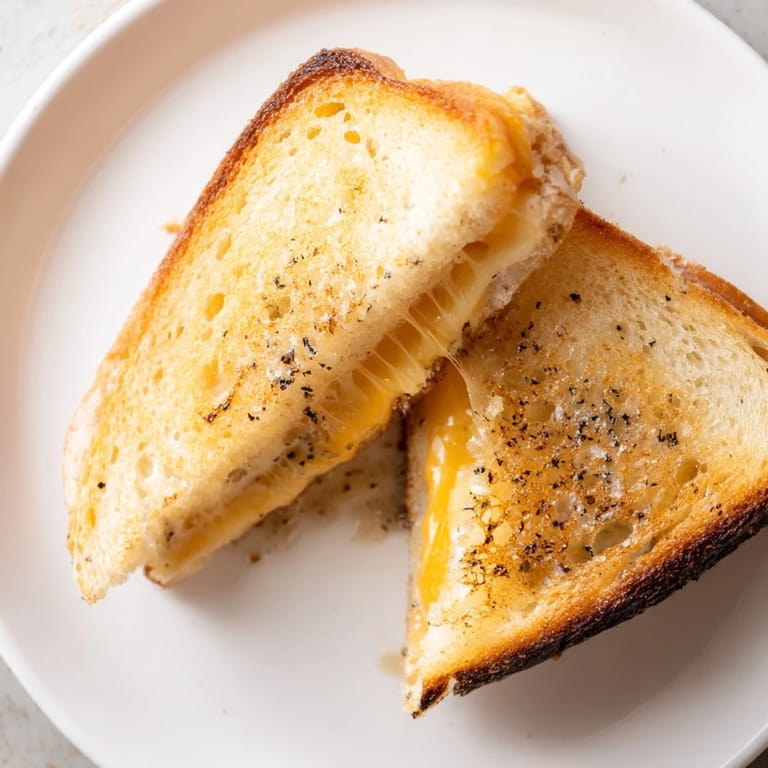
- Let each sandwich rest for one minute on the plate—this keeps the melted cheese from sliding out when you slice—then drizzle with half a teaspoon of truffle oil per sandwich, slice diagonal, and serve while the bread is still warm.
 Save
Save There's something almost meditative about watching butter foam and bread toast, knowing that in just a few minutes you'll have something that feels both indulgent and entirely approachable. This sandwich has a way of making an ordinary lunch feel like a small celebration.
The Science of the Perfect Melt
Sharp cheddar melts differently than mild cheddar—it has more complexity and structure, so it doesn't turn into a single glossy pool but rather melts into distinct pockets of flavor throughout the sandwich. The butter creates a barrier between the bread and the pan, preventing sogginess while building that golden crust. Temperature control is everything; the gentle medium heat allows the cheese time to soften and blend while the bread gradually colors without burning.
Truffle Oil: When to Splurge
Real truffle oil is expensive, but it lasts a long time because you use so little. A 2-teaspoon drizzle across two sandwiches costs only pennies and transforms the whole dish. White truffle oil has a more delicate, almost earthy perfume, while black truffle oil is deeper and more peppery. Either works here, though I lean toward white truffle oil because it lets the sharpness of the cheddar shine through.
Ways to Make It Your Own
This sandwich is simple enough that small additions turn it into something entirely different. A paper-thin slice of apple adds sweetness and crunch; a layer of Gruyère with the cheddar pushes it into territory that tastes almost fancy-restaurant-adjacent. Some people add a thin smear of Dijon mustard or a few arugula leaves after cooking, though I prefer to keep it pared down so the truffle oil remains the star.
- Try a 50-50 blend of sharp cheddar and aged Gruyère for more complexity.
- Toast your bread with truffle oil on one side before building the sandwich if you want a more aggressive truffle presence.
- Add a thin slice of apple or a whisper of caramelized onion if you want sweetness to balance the salt.
 Save
Save A grilled cheese sandwich this good reminds you that sometimes luxury is just knowing when to pause and add the truffle oil.
Recipe FAQs
- → What type of bread works best for this sandwich?
Sourdough or country-style bread is ideal for its sturdy texture and ability to toast evenly, providing a perfect crisp exterior.
- → Can I substitute the cheese with other varieties?
Sharp cheddar offers bold flavor, but adding mozzarella or Gruyère can soften the taste and add creaminess.
- → How much truffle oil should I use for flavor balance?
A teaspoon per sandwich is enough to impart a fragrant aroma without overpowering the cheese and bread.
- → What cooking method ensures melted cheese and crisp bread?
Cooking on a medium heat skillet or griddle with buttered bread slices pressed gently achieves even melting and golden crust.
- → Are there any suggested accompaniments?
Pairing with a crisp green salad or tomato soup complements the richness and enhances the meal experience.