 Save
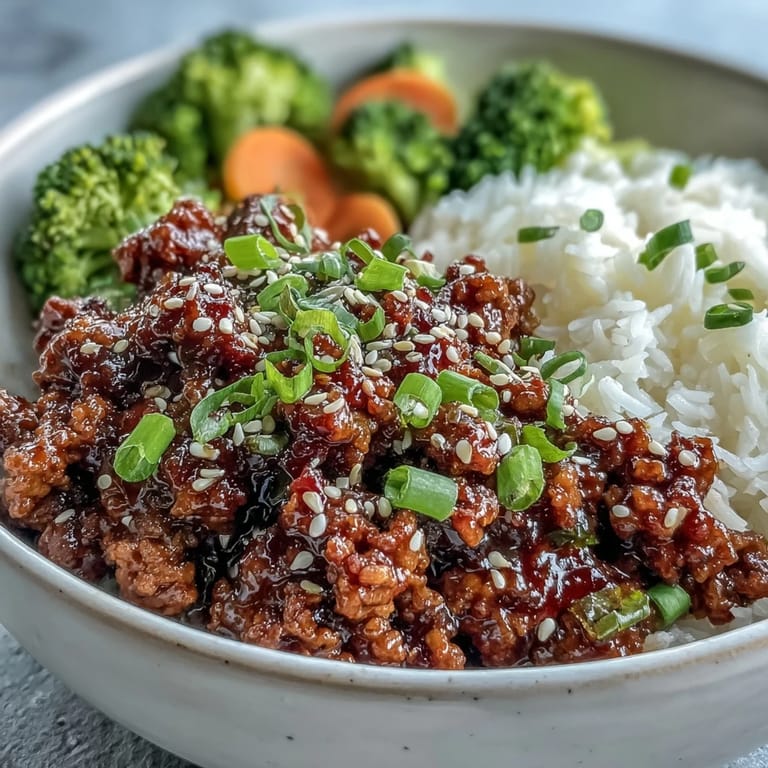
Save My skillet was sizzling louder than I expected when the garlic hit the sesame oil, filling my tiny apartment with a smell so good my neighbor texted asking what I was cooking. I had picked up ground turkey on a whim, tired of the same old dinners, and decided to throw together something with the gochugaru and soy sauce I'd been hoarding since my last grocery haul. Twenty minutes later, I was scraping the pan clean, already planning when I'd make it again. That's how this Korean-style ground turkey became my weeknight savior.
I made this for my sister after she moved into her first place and claimed she couldn't cook anything that required more than a microwave. She watched me toss everything into one pan, skeptical at first, then asked for the recipe before she even finished her bowl. Now she makes it every week and sends me photos of her versions with different vegetables. It's become our thing, this simple dish that proved her wrong about herself.
Ingredients
- Soy sauce: The salty backbone of the sauce, I always go low sodium so I can control the saltiness and not overwhelm the other flavors.
- Cornstarch: This is what turns the sauce glossy and thick, clinging to every bit of turkey instead of pooling at the bottom of the pan.
- Brown sugar: Just enough sweetness to balance the soy and heat, packed tight in the spoon so you get the full caramel depth.
- Red chili flakes: I use Korean gochugaru when I have it, but regular red pepper flakes work fine if you're not picky about authenticity.
- Sesame oil: The toasted kind, not the light stuff, it adds that nutty aroma that makes the whole kitchen smell like a Korean restaurant.
- Garlic: Fresh is non-negotiable here, the jarred minced stuff just doesn't bloom the same way when it hits hot oil.
- Fresh ginger: Grated on a microplane releases more juice and flavor than chopping, and it distributes evenly without chunky bites.
- Ground turkey: Lean protein that soaks up the sauce beautifully, though I've used ground chicken when that's what I had on hand.
- Chives: They add a mild onion flavor and a pop of green, I chop them roughly and save the prettiest pieces for the top.
- Sesame seeds: Toasted in a dry pan until golden, they add crunch and a second layer of nuttiness that makes each bite more interesting.
Tired of Takeout? 🥡
Get 10 meals you can make faster than delivery arrives. Seriously.
One email. No spam. Unsubscribe anytime.
Instructions
- Mix the sauce:
- Whisk the soy sauce, cornstarch, brown sugar, and chili flakes in a small bowl until no white streaks remain. The cornstarch likes to hide in the corners, so give it a good stir.
- Bloom the aromatics:
- Heat your skillet over medium-high and add the sesame oil, then toss in the garlic and ginger, stirring constantly for about thirty seconds. You'll know it's ready when the smell makes you lean over the pan and take a deep breath.
- Cook the turkey:
- Add the ground turkey and break it apart with your spatula, stirring occasionally until no pink remains, about five to seven minutes. Don't walk away, it cooks faster than you think.
- Add the sauce:
- Pour in your soy mixture and stir everything together, letting it bubble on high heat for two to three minutes. Watch it turn shiny and thick, if it gets too tight, splash in a tablespoon of water.
- Finish and garnish:
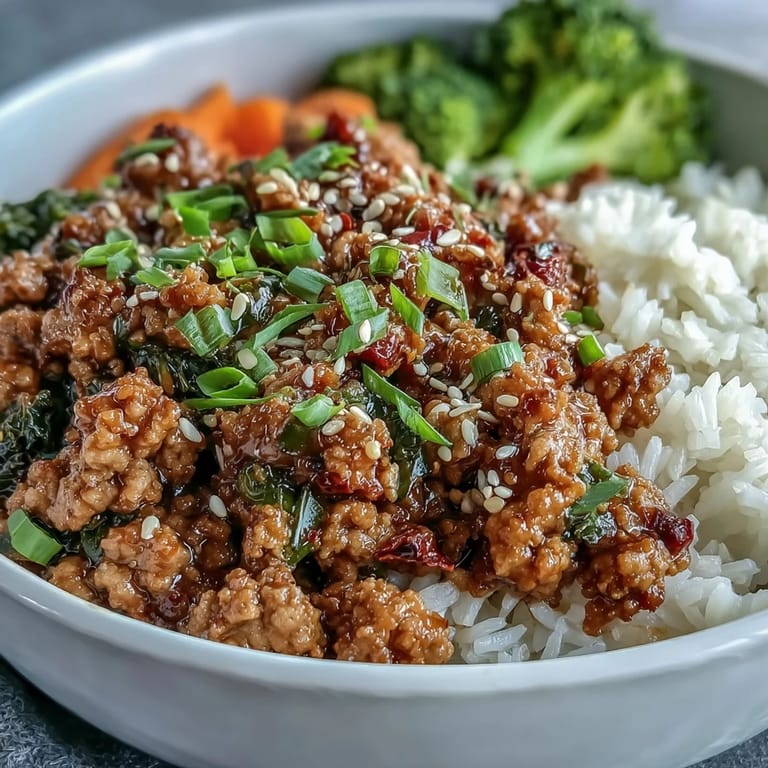
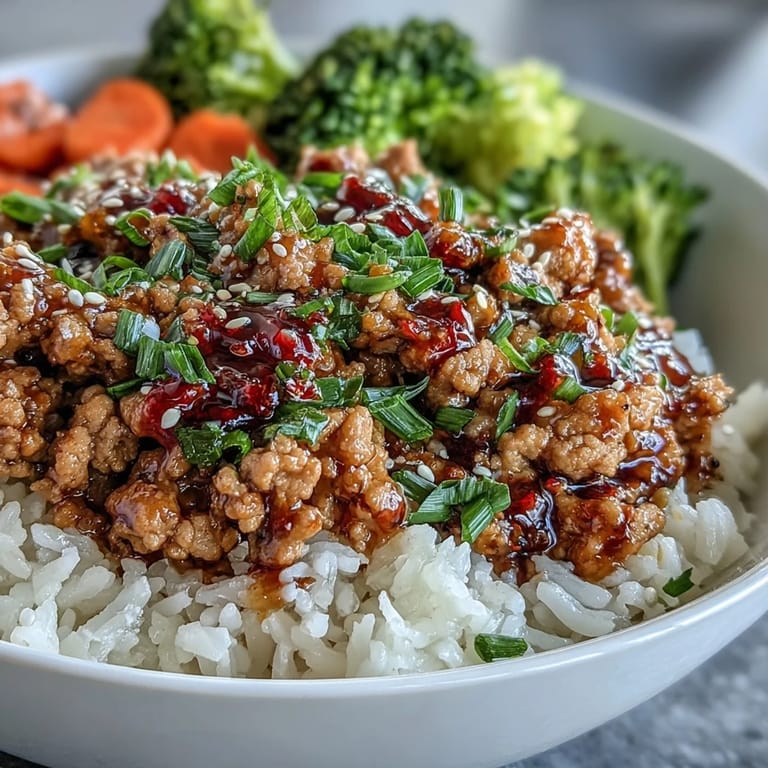
- Stir in most of the chives, pull the pan off the heat, then shower the top with sesame seeds and the remaining chives. Serve it hot over rice with whatever vegetables you have around.
 Save
Save The first time I served this at a dinner party, I worried it was too simple, too weeknight casual for company. But my friend Daniel went back for thirds and admitted he'd been eating sad desk lunches all week, and this felt like the first real meal he'd had in days. Sometimes the best food isn't fancy, it's just something warm and flavorful that makes people feel cared for.
Customizing the Heat Level
I learned to start with less chili and let people add more at the table after my dad ate half a bowl and spent the rest of the evening gulping water. If you want deeper Korean heat, stir in a spoonful of gochujang with the sauce, it brings fermented complexity along with the spice. You can also top individual servings with fresh sliced chilies for those who like the burn without cooking it into the whole batch.
Serving and Pairing Ideas
I almost always serve this over short grain white rice because it soaks up the sauce like a sponge, but I've also piled it into lettuce wraps when I wanted something lighter and crunchier. Steamed broccoli, sautéed spinach, or quick-pickled cucumbers on the side cut through the richness and add color to the plate. One night I had leftover turkey and turned it into fried rice the next morning with an egg on top, and it might've been better than the original meal.
Make Ahead and Storage
This reheats so well that I sometimes double the batch on Sunday and eat it all week for lunch. Store it in an airtight container in the fridge for up to four days, and when you reheat it, add a splash of water or broth to loosen the sauce back up. The flavors meld and deepen overnight, so day two is honestly when it tastes best.
- Freeze portions in individual containers for up to three months and thaw overnight in the fridge.
- Reheat gently on the stovetop or in the microwave, stirring halfway through so it heats evenly.
- Garnish with fresh chives and sesame seeds after reheating to bring back that just-cooked brightness.
 Save
Save This dish proved to me that bold flavor doesn't require a long ingredient list or hours at the stove. Keep the pantry stocked and dinner is always thirty minutes away.
Recipe FAQs
- → What makes this Korean-style?
The combination of soy sauce, brown sugar, red chili flakes, garlic, ginger, and sesame oil creates that classic Korean flavor profile. The glossy, thickened sauce coating the meat is characteristic of Korean dishes like bulgogi.
- → Can I make this spicier?
Absolutely. Increase the red chili flakes to your preferred heat level, or add a drizzle of Korean gochujang (fermented chili paste) for deeper complexity and additional heat.
- → Can I substitute the ground turkey?
Yes. Ground chicken or pork work equally well with these flavors. The cooking time remains the same—just cook until the meat is no longer pink and fully cooked through.
- → Why is my sauce too thick?
If the sauce becomes too thick while cooking, simply add water one tablespoon at a time until you reach the desired consistency. The sauce should be glossy and coat the meat, not dry or sticky.
- → What should I serve with this?
Steamed white or brown rice is the traditional accompaniment. Add steamed or sautéed vegetables like broccoli, spinach, or carrots on the side for a complete meal. The flavors also pair beautifully with crisp, dry Riesling or chilled barley tea.