 Save
Save There's something magical about watching a simple marinade transform chicken into something so ridiculously tender that your fork practically does the work for you. I discovered this Greek yogurt method on a Tuesday night when I had four chicken breasts staring at me from the fridge and absolutely no inspiration. The result was so juicy and effortless that I've made it dozens of times since, each time wondering why I ever complicated chicken cooking before this.
I remember making this for my sister's surprise dinner party when I had only an hour to pull something together. She walked into my kitchen as the chicken was coming out of the oven, and the smell alone made her say yes to staying for dinner instead of heading out. That's when I realized this recipe does the heavy lifting for you, letting the aromas do the convincing.
Ingredients
- Greek yogurt (1 cup, full-fat): Full-fat matters more than you'd think because it creates a creamy, clinging marinade that actually adheres to the chicken instead of sliding off.
- Olive oil (3 tablespoons): This helps the yogurt coat evenly and adds richness that plain yogurt alone would miss.
- Garlic (4 cloves, minced): Don't skip the mincing step because chunky garlic won't distribute the flavor evenly through the creamy base.
- Lemon juice and zest (1 tablespoon juice, 1 teaspoon zest): The acid tenderizes while the zest adds brightness that makes the whole thing feel Mediterranean rather than heavy.
- Oregano (1½ teaspoons dried): This is your anchor flavor, the one that makes people ask what spice is in there because it tastes so recognizable yet special.
- Smoked paprika (1 teaspoon): Smoked matters because regular paprika tastes almost sweet by comparison, and this adds subtle depth without heat.
- Cumin (½ teaspoon): A pinch of cumin rounds out the spice blend and hints at something slightly exotic without overwhelming the palate.
- Salt and pepper (1 teaspoon salt, ½ teaspoon pepper): Season aggressively here because the yogurt base muffles subtle seasoning.
- Chicken breasts (4 boneless, skinless): Fresh is always better than frozen for this method because the marinade penetrates better and the texture stays tender.
- Fresh parsley and lemon wedges (for serving): These are optional but they turn a simple chicken into a finished dish that looks like you actually tried.
Tired of Takeout? 🥡
Get 10 meals you can make faster than delivery arrives. Seriously.
One email. No spam. Unsubscribe anytime.
Instructions
- Make the creamy marinade:
- Whisk together the yogurt, olive oil, minced garlic, lemon juice, and zest until smooth, then add oregano, paprika, cumin, salt, and pepper. The mixture should be thick but spreadable, almost like a thick salad dressing. Don't worry if it looks slightly lumpy from the garlic at first because whisking for thirty seconds smooths it out.
- Coat the chicken thoroughly:
- Pat your chicken breasts completely dry with paper towels because any moisture on the surface will prevent the marinade from clinging properly. Place them in the bowl, turning each piece slowly to coat all sides, then press some of that creamy mixture directly onto the thickest parts of the breast where it needs penetration.
- Refrigerate and let time do the work:
- Cover the bowl and slide it into the fridge for at least one hour, though eight hours is where the real magic happens because the acid starts breaking down the muscle fibers. If you have the time, set a phone reminder for eight hours because the difference between one hour and eight hours is noticeable in texture.
- Prepare for baking:
- Preheat your oven to 425°F and grease a baking dish or line a sheet with parchment paper while the oven heats up. Remove each chicken breast from the marinade and let the excess drip back into the bowl for about five seconds, then arrange them in a single layer with some space between pieces.
- Bake until golden and cooked through:
- Slide the baking dish into the preheated oven and set a timer for twenty-two minutes, then check by inserting a meat thermometer into the thickest part of the largest breast. When it reads 165°F, the chicken is done, though if you want extra browning you can run the broiler for the last two to three minutes while watching carefully.
- Rest and serve with intention:
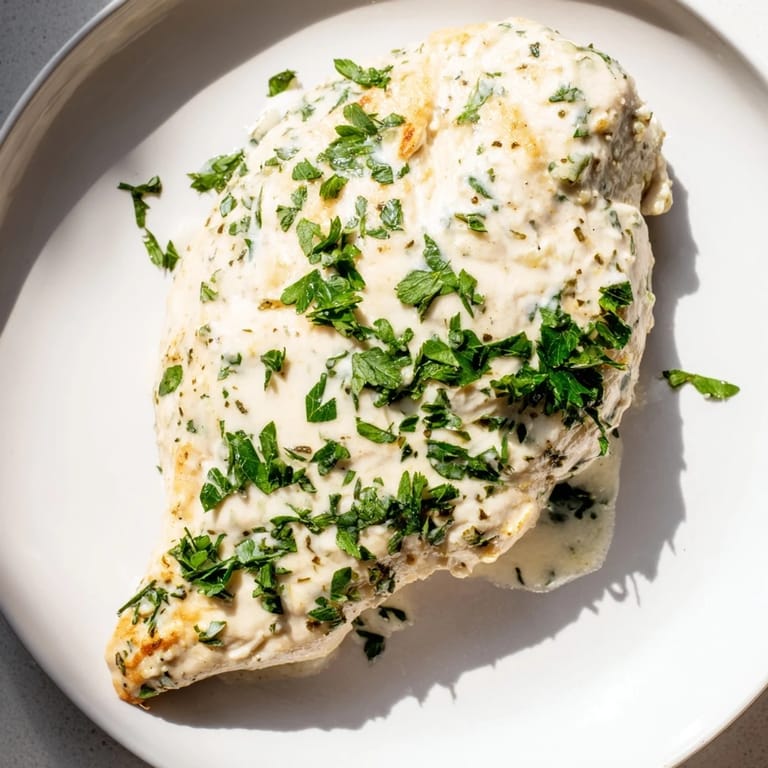
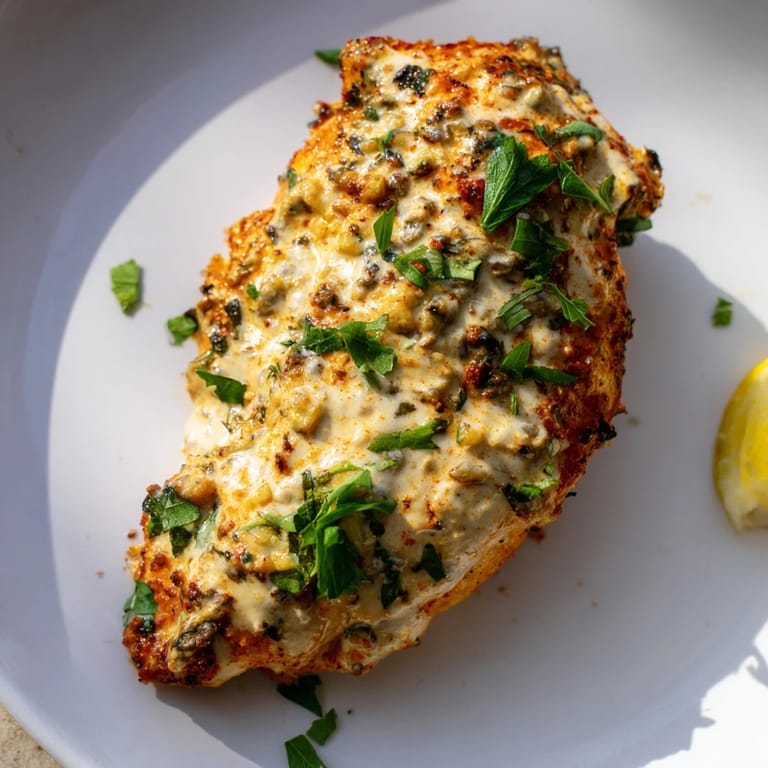
- Remove the dish from the oven and let the chicken sit untouched for five minutes because this allows the juices to redistribute and keeps everything from drying out the moment you cut into it. Slice if desired, then scatter fresh parsley on top and serve with lemon wedges so everyone can brighten their plate according to taste.
 Save
Save The first time I served this to someone with strict dietary preferences, they were shocked that something this delicious and protein-packed was also gluten-free and low in carbs. That's when I understood this recipe's real superpower: it tastes indulgent while actually being good for you, which means you'll make it on weeknights without feeling guilty.
Why This Marinade Actually Works
Greek yogurt isn't just trendy in marinades, it's genuinely effective because the protein structure and fat content create an environment where chicken stays tender rather than becoming rubbery. The lactic acid gently breaks down muscle fibers while the yogurt's coating prevents moisture from escaping during cooking. This is why this tastes like someone who actually knows how to cook made it, even if you're doing it for the first time.
Timing and Temperature Matter More Than You Think
I've made this recipe at 400°F and at 450°F and the difference is subtle but noticeable in the browning and how quickly the outside cooks relative to the inside. Sticking with 425°F gives you the sweet spot where the outside gets slightly golden while the interior stays juicy because you're not rushing it. A meat thermometer is genuinely the only way to know you're done without cutting into the chicken and releasing the juices you worked so hard to keep inside.
Make It Your Own
This base is flexible enough to become your personal signature dish because the fundamental technique stays the same while the seasonings can shift based on what you're craving or what you have on hand. I've added chili flakes for heat, swapped dried oregano for fresh thyme, and even substituted half the yogurt with mayonnaise when I was experimenting. The beauty is that once you understand how the yogurt acts as a protective coat and flavor vehicle, you can confidently improvise.
- Chicken thighs work beautifully here and stay even juicier than breasts, just add five minutes to the baking time.
- Leftovers shred into the most incredible wraps or grain bowls for the next three days if you have any restraint.
- This marinade also works on lamb, turkey, or even firm fish if you reduce the marinating time to just thirty minutes.
 Save
Save This recipe has become my answer to weeknight dinners because it delivers Mediterranean restaurant quality without the complexity or the bill. Once you make it once, you'll understand why it went viral and why you'll probably keep making it for years.
Recipe FAQs
- → How does Greek yogurt affect the chicken?
Greek yogurt acts as a tenderizing agent due to its acidity and enzymes, keeping the chicken moist while infusing it with creaminess and subtle tang.
- → Can I marinate the chicken longer than 8 hours?
Marinating beyond 8 hours may overly soften the texture as the yogurt’s acidity continues breaking down the meat fibers, so it’s best within 1 to 8 hours.
- → What’s the best way to ensure the chicken is cooked through?
Use a meat thermometer to check the internal temperature reaches 165°F (74°C) for safe and juicy results.
- → Can boneless thighs be used instead of breasts?
Yes, boneless thighs work well for a juicier outcome, but adjust the cooking time accordingly, as thighs may require longer baking.
- → What sides pair well with this dish?
This chicken pairs perfectly with rice pilaf, roasted vegetables, or fresh salads for a balanced meal.
- → Is it possible to add extra spice to the marinade?
Absolutely, incorporating chili flakes into the marinade adds a pleasant heat that complements the creamy and herbaceous flavors.