 Save
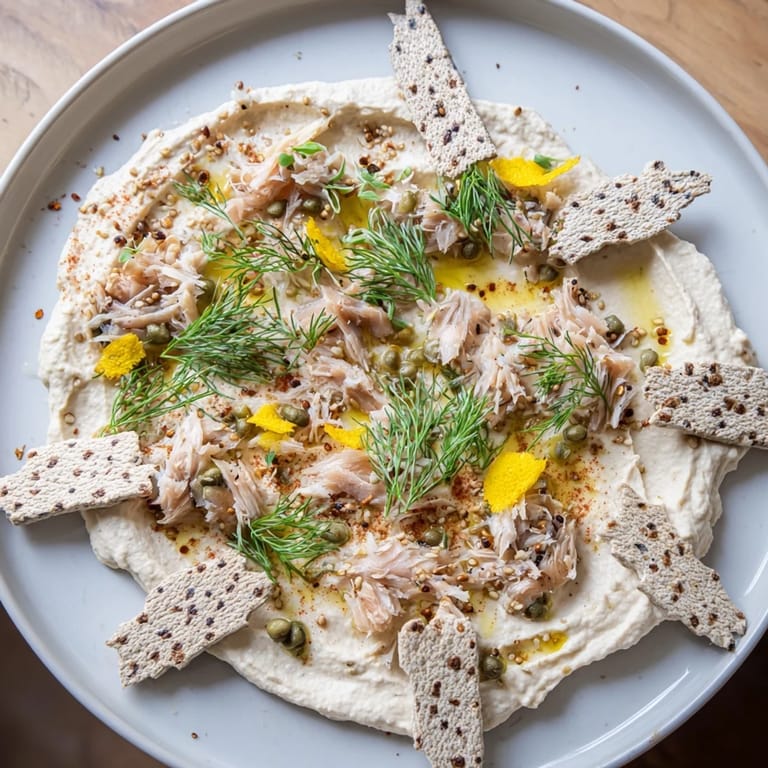
Save I discovered this dish by accident during a kitchen experiment that started with leftover smoked fish and a container of hummus I'd bought on a whim. Instead of the usual bread-and-spread routine, I found myself playing with the presentation, creating layers and textures that reminded me of a beach I'd visited years ago. Something about the pale crackers, the smoky fish, and the creamy base sparked an idea: what if I treated the whole thing as an edible landscape? That first arrangement made my partner laugh, but then we couldn't stop eating it.
The moment this became my go-to appetizer was when I made it for my friend's art opening. She'd invited maybe thirty people, and I was nervous about bringing something that looked too casual. But when I set it down, everyone gathered around it like it was a centerpiece rather than something to eat. Someone even asked if they could photograph it before digging in, and watching people carefully assemble their own bites—choosing which crackers, how much fish, which garnish—made me realize this dish is as much about the experience as the flavors.
Ingredients
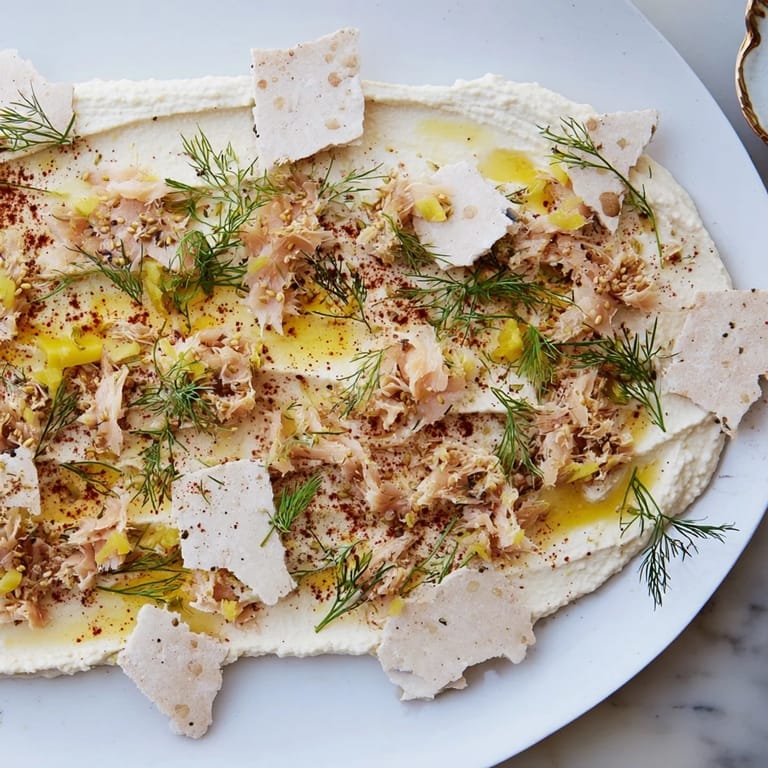
- Pale, rustic crackers (100 g): Water crackers, matzo, or lavash work best—look for ones with a delicate, crisp texture that won't overwhelm the fish. Breaking them into irregular pieces mimics the natural look of driftwood and gives you more surface area for scooping.
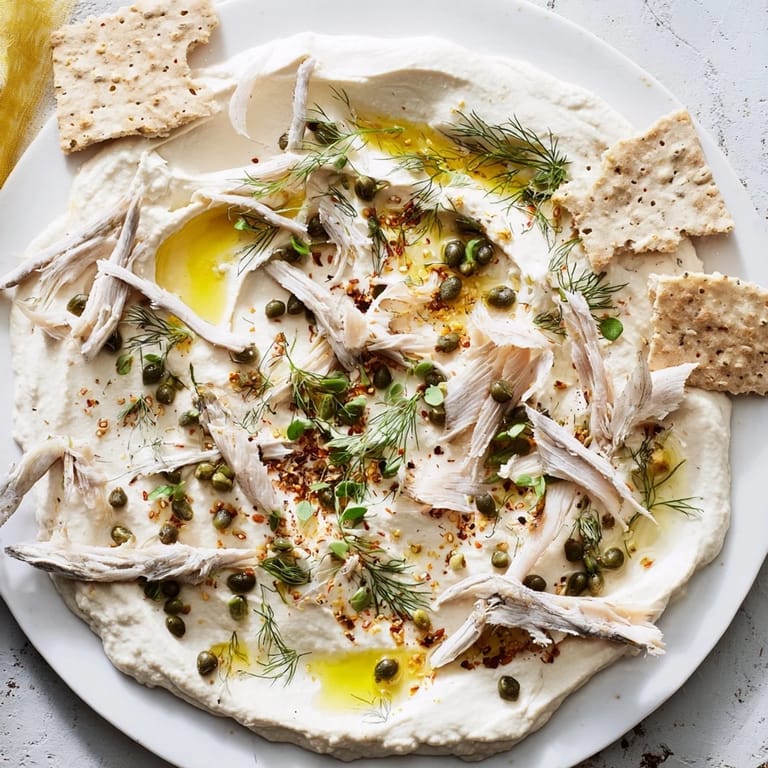
- Smoked white fish (120 g): Smoked trout, mackerel, or haddock all bring their own character; the fish should flake easily and taste clean, not overly salty. I prefer trout because its delicate flavor doesn't fight with the hummus.
- Classic hummus (250 g): Use quality hummus or make your own—it's the canvas for everything else. A thick, creamy base spreads more easily and holds the other components without looking runny.
- Olive oil (1 tbsp): A good extra-virgin oil adds richness and helps the paprika cling to the hummus. Drizzle it just before serving so it stays glossy.
- Smoked paprika (1/2 tsp): This is your sandy beach effect; sprinkle lightly so it colors the hummus without overpowering the other flavors.
- Toasted sesame seeds (1 tsp): These add another layer of texture and a subtle nutty note that echoes the smokiness of the fish.
- Fresh dill fronds (1 tbsp): Dill's brightness cuts through the richness and adds a wisp of herbaceous freshness that feels coastal.
- Lemon zest (from 1/2 lemon): The zest gives you citrus flavor without the moisture of juice; it's all aroma and brightness.
- Capers (1 tbsp, rinsed): These little briny bursts provide a savory pop that makes each bite feel intentional.
- Microgreens (optional): If you use them, they add a final touch of color and peppery crunch.
Tired of Takeout? 🥡
Get 10 meals you can make faster than delivery arrives. Seriously.
One email. No spam. Unsubscribe anytime.
Instructions
- Create your shoreline:
- Spread the hummus across your serving platter in a thick, uneven layer, using a spatula to shape it so it looks like it's naturally settled there. Aim for depth rather than spreading it too thin—you want guests to feel like they're scooping something substantial.
- Layer in the sandy texture:
- Drizzle the olive oil over the hummus, then dust lightly with smoked paprika and scatter the toasted sesame seeds across the surface. Step back and look at it; the paprika should add warmth and depth, not overwhelm.
- Arrange your driftwood:
- Break your crackers into irregular pieces and lean them along one edge of the hummus, spacing them as if they've been washed up by waves. Vary the angles and sizes so nothing looks too orderly.
- Scatter the catch:
- Distribute the flaked smoked fish across and around the crackers, leaving some pieces on top of the hummus and some nestled in the cracks. Don't worry about perfection; the randomness is what makes it feel natural.
- Finish with garnish:
- Sprinkle the fresh dill, lemon zest, and capers over everything just before serving. If you're using microgreens, add those last so they stay crisp and bright.
- Bring to the table:
- Serve immediately while the crackers are still crisp and the arrangement is fresh. Let guests build their own bites, scooping hummus and fish onto crackers as they like.
 Save
Save What made this dish truly special happened when my mom made it for a family dinner without asking me. She'd watched me prepare it once, understood the philosophy rather than just the steps, and added her own touches—a few threads of saffron in the hummus, some edible flowers on top. Seeing someone take something I'd created and make it their own, adding their own memories to it, felt like the highest compliment.
Choosing Your Fish
The type of smoked fish you choose changes the entire personality of this dish. Trout is delicate and subtle, almost like a whisper; mackerel is bolder and more assertive, a voice that fills the room. Haddock splits the difference, offering smokiness without aggression. I've found that it's worth tasting a small piece before you commit to a full platter—not every smoked fish has the same intensity, and some are saltier than others. If your fish tastes overly briny, a quick rinse under cold water can take the edge off.
The Art of Presentation
The beauty of this dish is that it gives you permission to make something that looks effortlessly considered. The key is not to overthink it—nature is wonderfully imperfect, and so should your platter be. I've learned to step back frequently while I'm building it, looking at it from across the room the way guests will see it. Sometimes a gap that feels wrong to me looks absolutely right from a distance. The asymmetry, the varied spacing, the way textures overlap—that's what makes it feel alive rather than fussy.
Serving and Variations
This appetizer pairs beautifully with a crisp, chilled white wine like Sauvignon Blanc, and it works equally well as a casual snack or a refined starter for a dinner party. If you want to add extra crunch, thin slices of radish or cucumber work wonderfully scattered through the composition. You can also substitute smoked salmon or gravlax if that's what you have on hand—each brings its own story and flavor profile to the plate.
- Make it ahead by preparing the components separately; assemble only when you're ready to serve to keep everything fresh and crisp.
- For a vegetarian version, skip the fish and add roasted vegetables like beets or carrots cut into delicate shapes.
- Double-check ingredient labels for allergens, especially if you're serving someone with sensitivities to fish or sesame.
 Save
Save Every time I make this, I'm struck by how something so simple can feel like a small edible poem on a plate. It reminds me that the best food is often the kind that invites people in, that rewards a moment of attention and care.
Recipe FAQs
- → What types of fish work best for this dish?
Smoked white fish such as trout, mackerel, or haddock are ideal choices due to their delicate flavor and flaky texture. Smoked salmon or gravlax can be good substitutes.
- → Can I use gluten-free crackers?
Yes, gluten-free crackers can be used to accommodate dietary restrictions without affecting the overall texture and presentation.
- → How should I prepare the hummus base?
Spread a thick, even layer of classic hummus on a serving platter, drizzle with olive oil, and dust with smoked paprika to add a sandy visual effect reminiscent of a shoreline.
- → What garnish complements the flavors best?
Fresh dill, lemon zest, capers, and microgreens add vibrant freshness and a subtle tang that balances the smoky fish and creamy hummus.
- → Is any cooking required?
No cooking is needed. Simply assemble all components, making this a quick and easy dish to serve.
- → Can this appetizer be paired with wine?
Pairing with a chilled crisp white wine, such as Sauvignon Blanc, enhances the freshness and delicate smokiness of the dish.