 Save
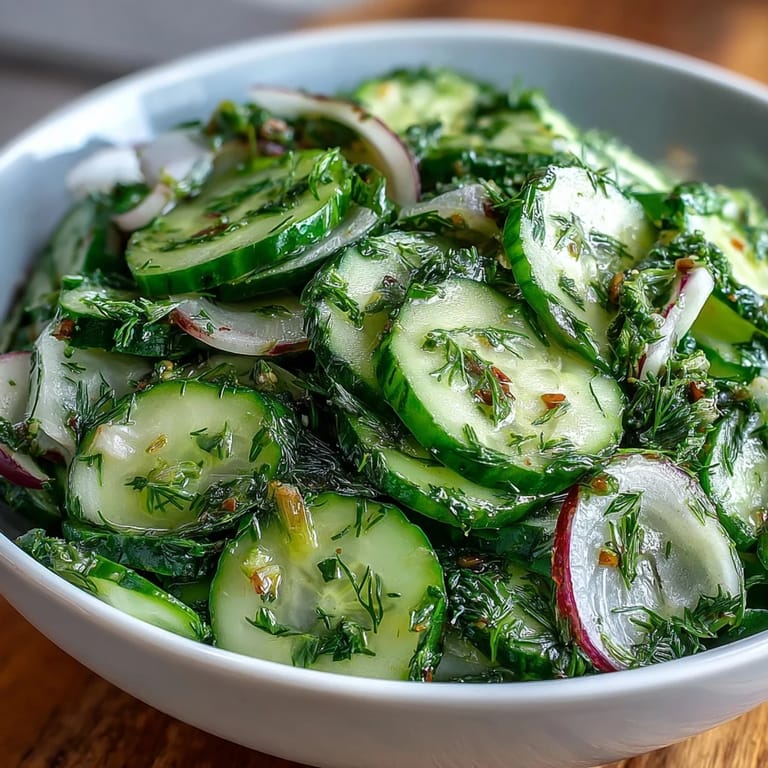
Save Last summer, my neighbor dropped off a bunch of radishes from her garden, and I had no idea what to do with them beyond the usual pickle jar. That afternoon, I threw together whatever looked crisp in the fridge—cucumbers, a handful of scallions—and whisked up a quick vinaigrette with some dill I'd been meaning to use. The moment that salad hit the table, something clicked: it wasn't just refreshing, it tasted like the exact opposite of whatever stress I'd been carrying. Now I make it whenever I need to remember that the simplest combinations sometimes hit hardest.
I'll never forget when my dad came over unexpectedly on a Tuesday evening, and instead of panicking about what to serve, I just made this salad. He took one bite and asked for the recipe—and my dad is not a salad person. He's a meat-and-potatoes guy, but something about the combination of that crunchy texture and the herbal brightness made him come back for seconds. That's when I realized this wasn't just a side dish; it was the kind of thing that could change someone's mind about salad entirely.
Ingredients
- Large cucumbers: Use ones that still feel firm and snap when you bend them—they stay crisp longer and won't turn mushy in the dressing.
- Radishes: The peppery ones from the farmer's market taste better than supermarket varieties, but any fresh radish works; just slice them thin enough to let the vinaigrette soak in.
- Scallions: These add a mild onion bite that rounds out the flavors without overpowering the delicate vegetables.
- Extra virgin olive oil: Don't use the cheap stuff here; this dressing is simple enough that good oil actually matters.
- White wine vinegar: It's subtle and clean—aggressive vinegars will bully the other flavors instead of brightening them.
- Dijon mustard: A teaspoon is just enough to emulsify the dressing and add a touch of sophistication without tasting mustardy.
- Honey: It balances the acid and adds a whisper of sweetness that makes everything taste more intentional.
- Fresh dill: This is non-negotiable—dried dill tastes like dried grass, but fresh dill tastes like spring and makes the whole salad feel alive.
Tired of Takeout? 🥡
Get 10 meals you can make faster than delivery arrives. Seriously.
One email. No spam. Unsubscribe anytime.
Instructions
- Slice your vegetables:
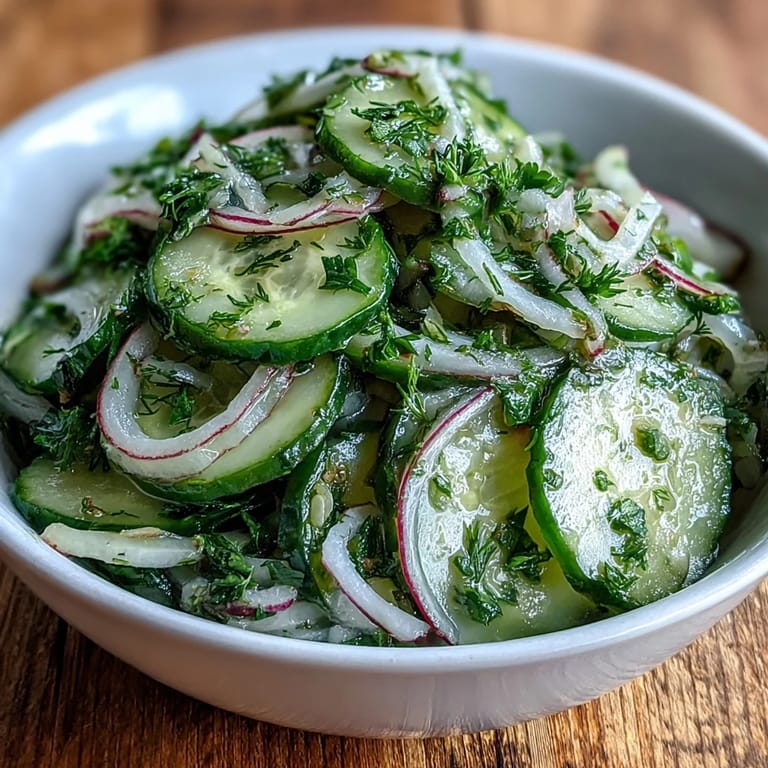
- Use a mandoline or a sharp knife to get those cucumbers and radishes paper-thin—you want them delicate enough to drink in the dressing but sturdy enough not to fall apart. Listen for that satisfying crunch when you bite down.
- Build your base:
- Toss the cucumbers, radishes, and scallions together in a large bowl, making sure everything mingles without getting crushed.
- Make the vinaigrette:
- In a separate bowl or jar, whisk the olive oil, vinegar, mustard, and honey together until the mixture turns pale and creamy—this is emulsification, and it matters more than you'd think. Fold in the fresh dill at the very end so it stays bright and doesn't bruise.
- Marry the flavors:
- Pour that dressing over the vegetables and toss gently to coat everything evenly, then season with salt and pepper to taste. Let it sit for 5 to 10 minutes so the vegetables soften just slightly and the dressing soaks in.
- Serve with intention:
- Whether you serve it chilled or at room temperature, garnish with extra dill and maybe a few thin radish slices on top for color.
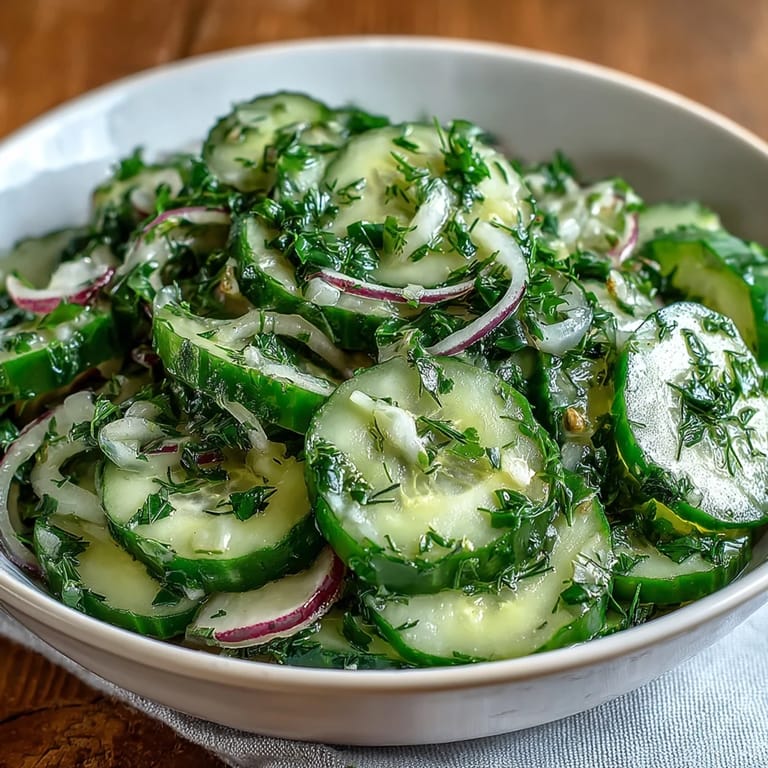 Save
Save There was this one morning when I made this salad for a work potluck, and a coworker I'd barely spoken to took a plate and ended up sitting with me during lunch. We talked for 20 minutes straight about vegetables and gardens and whether radishes were underrated. It's funny how food can do that—turn a stranger into someone you actually know.
When to Reach for This Salad
This is the salad you make when you're tired of heavy meals but still hungry for something satisfying. Spring and early summer are its natural home, but honestly, the brightness of the dill vinaigrette feels good any time you need a reset. Serve it alongside grilled fish, roasted chicken, or even some crumbled feta if you're feeling a little fancier.
Making It Your Own
The beauty of this salad is how willingly it accepts additions without losing its character. I've added thin slices of fennel on days when I wanted something more licorice-forward, and celery works too if you need extra crunch. Some people throw in fresh mint or tarragon instead of dill, and while it's not the same dish, it's still delicious.
Storage and Serving Notes
This salad is best eaten the day you make it, but if you have leftovers, store the vegetables and dressing separately in the refrigerator for up to 2 days. The vegetables will soften over time, which isn't necessarily bad—just different. Toss everything together again before serving, and taste for seasoning since the salt will have migrated.
- If you're doubling this for a crowd, keep the dressing in a jar and let people dress their own salads so it stays crisp.
- A mandoline slicer makes quick work of the vegetables, but be careful—those things are sharp and unforgiving.
- This salad pairs beautifully with light wines, especially crisp whites or rosés that echo the brightness of the dill.
 Save
Save This is one of those recipes that proves you don't need much to make something worth remembering. Make it once, and you'll be reaching for it whenever you need a little brightness on your plate.
Recipe FAQs
- → How do I make the vinaigrette creamy?
Whisk the olive oil and Dijon mustard vigorously until emulsified, resulting in a smooth, creamy vinaigrette.
- → Can I prepare the salad ahead of time?
Yes, toss the vegetables with vinaigrette just before serving to maintain their crispness and freshness.
- → What can I add for extra crunch?
Try adding thinly sliced celery or fennel to enhance texture and add complexity.
- → Is this suitable for gluten-free diets?
Yes, all ingredients are naturally gluten-free, but check mustard labeling to ensure gluten-free certification.
- → What dishes pair well with this salad?
It complements grilled fish, roasted chicken, or can be served as a refreshing light side dish.