 Save
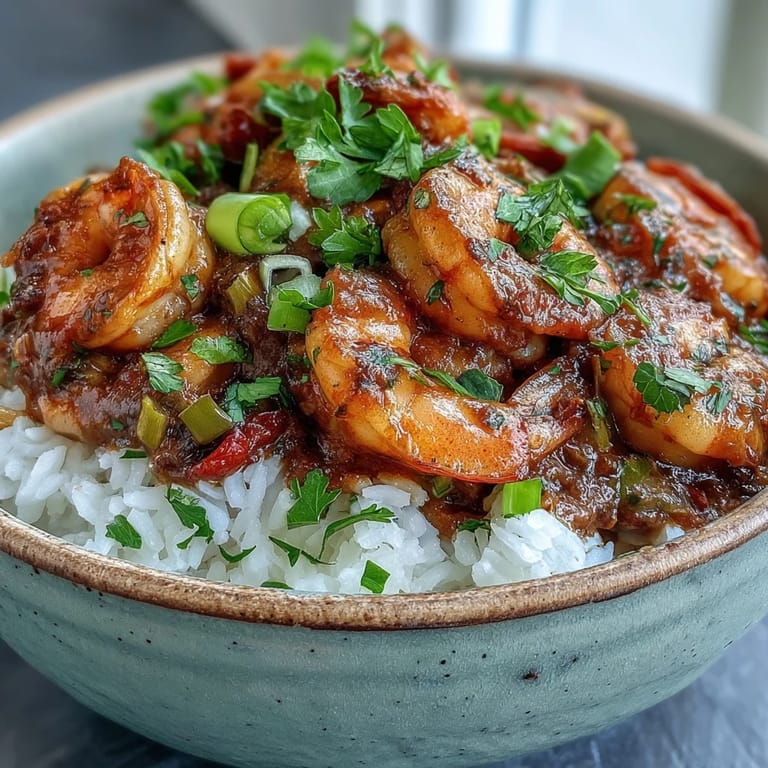
Save The kitchen was thick with steam and the smell of butter-dark roux when my neighbor tapped on the screen door holding a bag of fresh Gulf shrimp. She didn't say much, just grinned and told me not to rush the roux or I'd ruin everything. I stood at that stove for twenty minutes, wooden spoon in hand, watching flour and oil transform into something that smelled like toasted nuts and tasted like patience. That étouffée turned out better than I ever expected, and I've been chasing that same deep, smoky sweetness ever since.
I made this for a friend who'd just moved back from Baton Rouge and was homesick for something that tasted like Louisiana. She took one bite, closed her eyes, and said it was close enough to make her heart hurt in a good way. We sat on the porch with second helpings, rice soaking up every bit of that spiced, velvety sauce, and she told me stories about her grandmother's kitchen that smelled like celery and cayenne every Sunday. That's when I realized étouffée isn't just dinner, it's a conversation.
Ingredients
- Vegetable oil and all-purpose flour: These two create the roux, the soul of the dish, and you need equal parts to get that thick, nutty base that holds everything together.
- Onion, green bell pepper, and celery: The holy trinity of Cajun cooking, and without them the étouffée would taste flat and one-dimensional instead of layered and alive.
- Garlic: Four cloves might seem like a lot, but it mellows into a sweet, aromatic backbone that ties the spice and the stock together.
- Shrimp: A pound of peeled, deveined shrimp cooks fast and stays tender as long as you don't let the sauce boil hard once they go in.
- Seafood stock: This is where the ocean flavor lives, though chicken stock works in a pinch if that's what you have on hand.
- Worcestershire sauce: Just a tablespoon adds a quiet umami depth that makes people ask what your secret is.
- Cajun seasoning and cayenne pepper: The heat should sneak up on you, not slap you in the face, so start conservative and taste as you go.
- Bay leaf: One leaf simmered low releases a subtle herbal note that rounds out the spice and richness.
- Cooked white rice: Fluffy, plain rice is the perfect canvas for all that saucy, spicy goodness to soak into.
- Green onions and parsley: A handful of fresh herbs at the end brings color and a bright contrast to the deep, earthy flavors.
Tired of Takeout? 🥡
Get 10 meals you can make faster than delivery arrives. Seriously.
One email. No spam. Unsubscribe anytime.
Instructions
- Start the roux:
- Heat the oil in a heavy pot over medium heat and whisk in the flour slowly, making sure there are no lumps. Stir constantly with a wooden spoon, keeping the heat steady so it darkens evenly without burning.
- Cook it dark:
- Keep stirring for 15 to 20 minutes until the roux turns the color of milk chocolate, rich and glossy. If you smell anything burning, pull it off the heat immediately and start over.
- Add the vegetables:
- Toss in the onion, bell pepper, and celery, stirring them into the roux until they soften and start to smell sweet. Let them cook for 5 to 7 minutes, scraping the bottom of the pot to keep anything from sticking.
- Stir in the garlic:
- Add the minced garlic and cook for about a minute, just until it blooms and fills your kitchen with that unmistakable smell. Don't let it brown or it'll turn bitter.
- Pour in the stock:
- Slowly add the seafood stock, whisking as you go so the roux dissolves into the liquid without clumping. The sauce will thicken as it heats, turning silky and coating the back of your spoon.
- Season and simmer:
- Stir in the shrimp, Worcestershire, Cajun seasoning, cayenne, bay leaf, salt, and pepper. Bring everything to a gentle simmer, then lower the heat and let it cook uncovered for 20 to 30 minutes, stirring now and then.
- Taste and adjust:
- Pull out the bay leaf and taste the sauce, adding more salt, pepper, or cayenne if it needs it. The shrimp should be pink and tender, and the sauce should cling to them without being gluey.
- Serve it up:
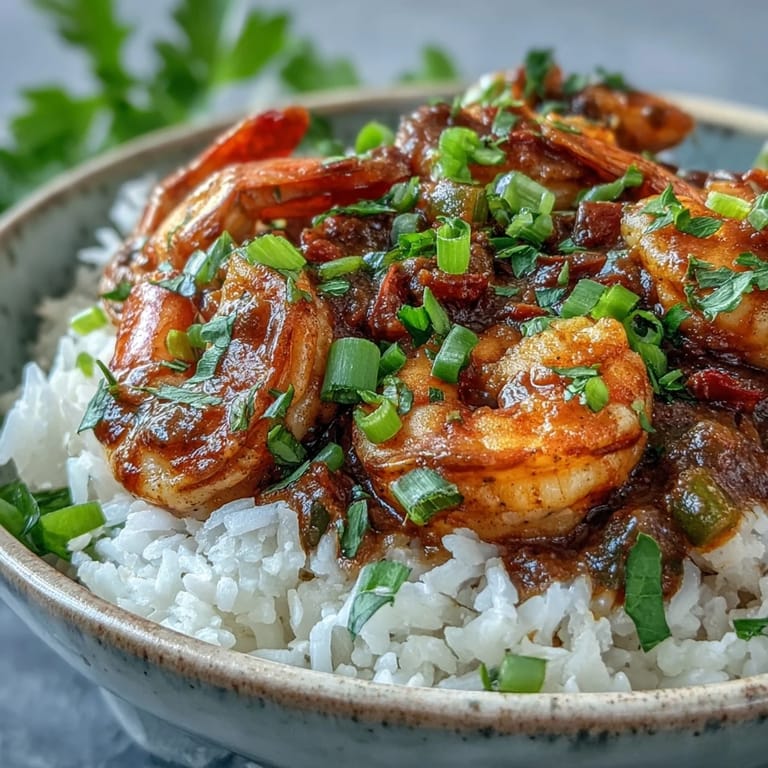
- Spoon the étouffée over bowls of hot rice and scatter green onions and parsley on top. Serve it while it's still steaming, with extra napkins and maybe some French bread on the side.
 Save
Save One night I made too much and sent a container home with a coworker who'd never had étouffée before. The next morning she came in and said her whole family fought over the last spoonful, and her husband asked when I was making it again. That's when I understood why people in Louisiana guard their étouffée recipes like heirlooms, because once you get it right, it becomes the thing people remember you by.
Making It Your Own
If shrimp isn't your thing or you can't find it fresh, swap in crawfish tails, diced chicken thighs, or even smoky andouille sausage. I've also made a version with mushrooms and extra stock for a vegetarian friend, and it still had that deep, comforting richness that makes étouffée so satisfying. The roux and the trinity do most of the heavy lifting, so as long as you have those, you can play with the protein and still end up with something that tastes like home.
What to Serve Alongside
A crisp green salad with a tangy vinaigrette cuts through the richness, and a basket of warm French bread is perfect for mopping up every last bit of sauce. I've also served it with a simple slaw dressed in lemon and a pinch of sugar, which adds crunch and brightness without competing with the main event. Keep the sides light and let the étouffée be the star, because that's what everyone will remember anyway.
Storing and Reheating
Étouffée keeps beautifully in the fridge for up to three days, and honestly it tastes even better after the flavors have had a night to blend and settle. Reheat it gently on the stove over low heat, adding a splash of stock if it's thickened too much, and stir often so the shrimp don't turn rubbery. I like to make a big batch on Sunday and eat it through the week, each bowl reminding me why I fell in love with this dish in the first place.
- Store in an airtight container and keep the rice separate so it doesn't get mushy
- Freeze individual portions for up to two months if you want to stash some away for a rainy day
- Garnish with fresh herbs right before serving, not before storing, so they stay bright and fragrant
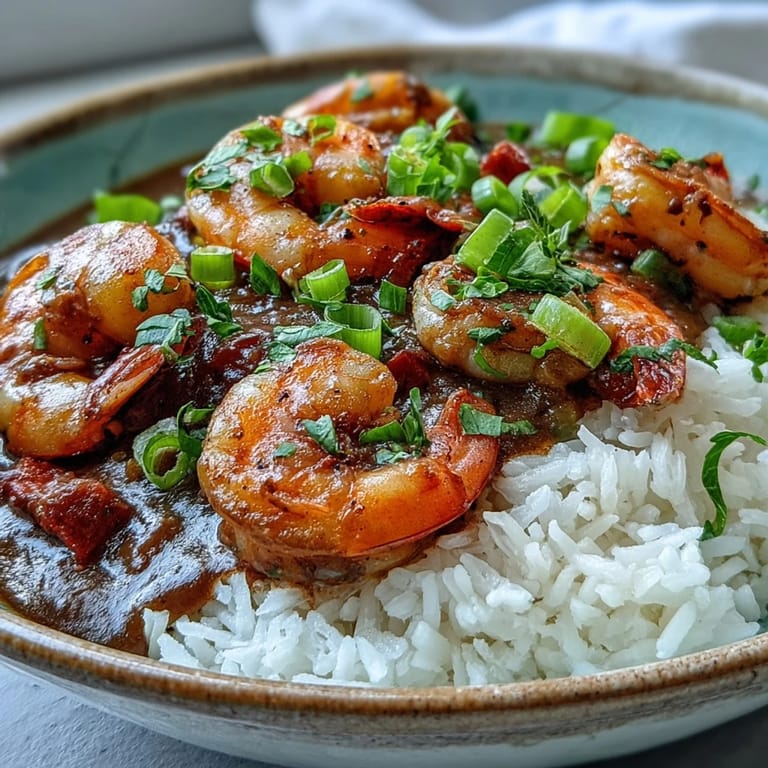 Save
Save Every time I make this, I think about that neighbor and her bag of shrimp, and how a simple gesture turned into a recipe I've cooked dozens of times since. It's the kind of dish that makes you slow down, pay attention, and remember that the best food is always worth the wait.
Recipe FAQs
- → What makes an authentic étouffée?
Authentic étouffée starts with a dark roux cooked to a deep chocolate color, the Cajun holy trinity of onions, bell peppers, and celery, and fresh shellfish. The roux should be stirred constantly for 15-20 minutes to achieve the proper color without burning. The sauce should be thick and velvety, coating the back of a spoon.
- → Can I make this with crawfish instead of shrimp?
Absolutely! Crawfish are traditional in étouffée and provide an even sweeter, more authentic Louisiana flavor. Use fresh or frozen crawfish tails in the same quantity as shrimp. Add them during the last 15 minutes of cooking since they require less time than shrimp.
- → How do I achieve the perfect dark roux?
Cook the flour and oil mixture over medium heat, whisking constantly to prevent burning. The roux will progress from blonde to peanut butter-colored to a deep chocolate brown. This process takes 15-20 minutes and requires patience—don't rush it as the dark roux provides the characteristic depth of flavor.
- → Can I make this étouffée in advance?
Yes, étouffée actually tastes better the next day as the flavors meld together. Prepare it up to 2 days ahead and store in the refrigerator. Reheat gently over low heat, adding a splash of stock if needed to adjust consistency. Wait to add garnish until serving.
- → What should I serve with étouffée?
White rice is the traditional base, but you can also serve with crusty French bread to soak up the sauce. A simple green salad with vinaigrette balances the rich flavors. For a complete Cajun spread, add gumbo or jambalaya as side dishes.
- → How can I adjust the spice level?
Start with less cayenne pepper and Cajun seasoning, then add more gradually to taste. For a milder version, omit the cayenne entirely. Remember that the heat will intensify as the dish sits, so season conservatively initially. You can always add hot sauce at the table.