 Save
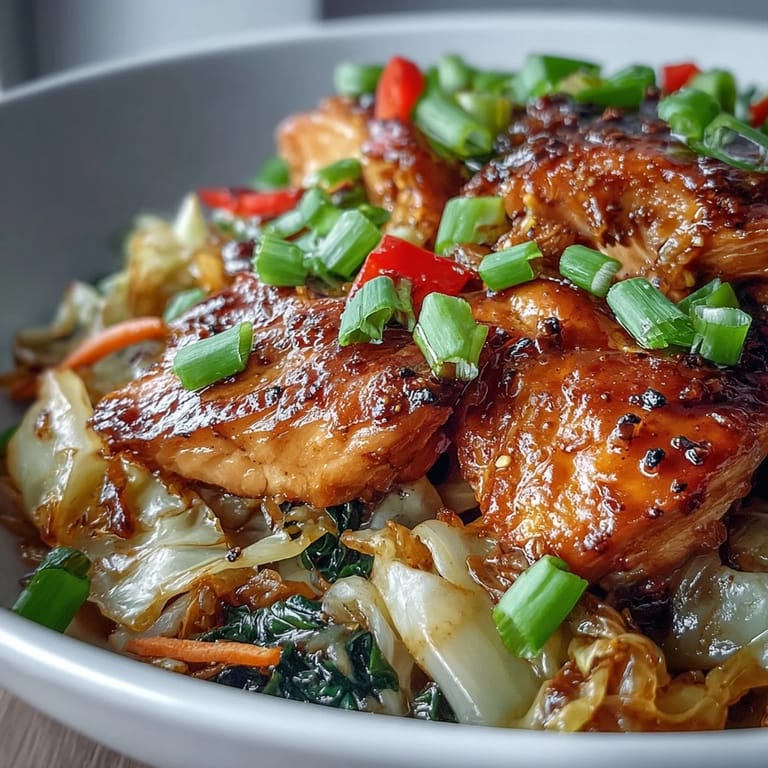
Save The sizzle of garlic hitting hot oil used to signal the end of my workday better than any clock. I started making this stir-fry on a Tuesday when the fridge was nearly empty and my energy was even lower. What I thought would be a bland, thrown-together meal turned into something my family asked for again the next week. The crunch of cabbage against tender chicken, all wrapped in that glossy, salty-sweet sauce, became my favorite kind of weeknight magic.
I made this for my neighbor once after she mentioned feeling too tired to cook. She called me the next morning asking for the recipe, saying her kids had eaten it without a single complaint. That felt like a bigger win than any five-star review. Since then, it has become my go-to dish when someone needs a meal that feels like care without requiring hours in the kitchen.
Ingredients
- Boneless, skinless chicken breast or thighs (500 g): Thighs stay juicier and more forgiving if you overcook them slightly, but breasts work perfectly if sliced thin and cooked fast.
- Green cabbage (1 small head, about 600 g): The star of the dish, it softens just enough while keeping a satisfying bite, and it soaks up the sauce beautifully.
- Carrot (1 medium, julienned): Adds a touch of sweetness and a pop of color that makes the dish look as good as it tastes.
- Red bell pepper (1, thinly sliced): Brings a slight smokiness and vibrant red that balances the green cabbage.
- Green onions (3, sliced): Stirred in at the end, they add a fresh, sharp note that wakes up the whole plate.
- Soy sauce (3 tbsp): The salty backbone of the sauce, use tamari if you need it gluten-free.
- Oyster sauce (1 tbsp): This is what gives the sauce that deep, umami richness you cannot quite name but always crave.
- Hoisin sauce (1 tbsp): A little sweet, a little tangy, it rounds out the savory notes perfectly.
- Rice vinegar (1 tbsp): Cuts through the richness and keeps the sauce from feeling heavy.
- Sesame oil (2 tsp): Just a drizzle adds a toasty, nutty aroma that makes your kitchen smell like a restaurant.
- Cornstarch (2 tsp): Mixed with water, it thickens the sauce so it clings instead of pooling at the bottom of the pan.
- Water (2 tbsp): Helps the cornstarch blend smoothly and keeps the sauce from getting too thick.
- Sugar (1 tsp): Balances the salty and tangy flavors, making everything taste more complete.
- Vegetable oil (2 tbsp): High heat cooking needs a neutral oil that would not burn or smoke.
- Garlic (3 cloves, minced): The first thing to hit the pan, it perfumes the oil and sets the tone for everything that follows.
- Fresh ginger (1-inch piece, grated): Bright and spicy, it adds warmth and complexity that dried ginger just cannot match.
Tired of Takeout? 🥡
Get 10 meals you can make faster than delivery arrives. Seriously.
One email. No spam. Unsubscribe anytime.
Instructions
- Mix the sauce:
- In a small bowl, whisk together soy sauce, oyster sauce, hoisin sauce, rice vinegar, sesame oil, cornstarch, water, and sugar until smooth. Set it aside so the cornstarch has time to dissolve completely.
- Cook the chicken:
- Heat 1 tablespoon vegetable oil in a large skillet or wok over medium-high heat until it shimmers. Add the sliced chicken in a single layer and let it sear undisturbed for about 2 minutes, then stir and cook for another 2 to 3 minutes until golden and cooked through, then remove and set aside.
- Sauté the aromatics:
- Add the remaining tablespoon of oil to the same pan, then toss in the garlic and ginger. Stir constantly for about 30 seconds until the smell makes you hungry.
- Stir-fry the vegetables:
- Toss in the cabbage, carrot, and bell pepper, stirring frequently for 3 to 4 minutes. The cabbage should soften a bit but still have a crisp bite when you taste a piece.
- Combine and coat:
- Return the chicken to the pan and pour in the prepared sauce, tossing everything together so every piece gets coated. Cook for 2 to 3 minutes, stirring often, until the sauce thickens and clings to the chicken and vegetables.
- Finish and serve:
- Stir in the sliced green onions, taste, and add more soy sauce or a pinch of sugar if needed. Serve hot with rice or noodles on the side.
 Save
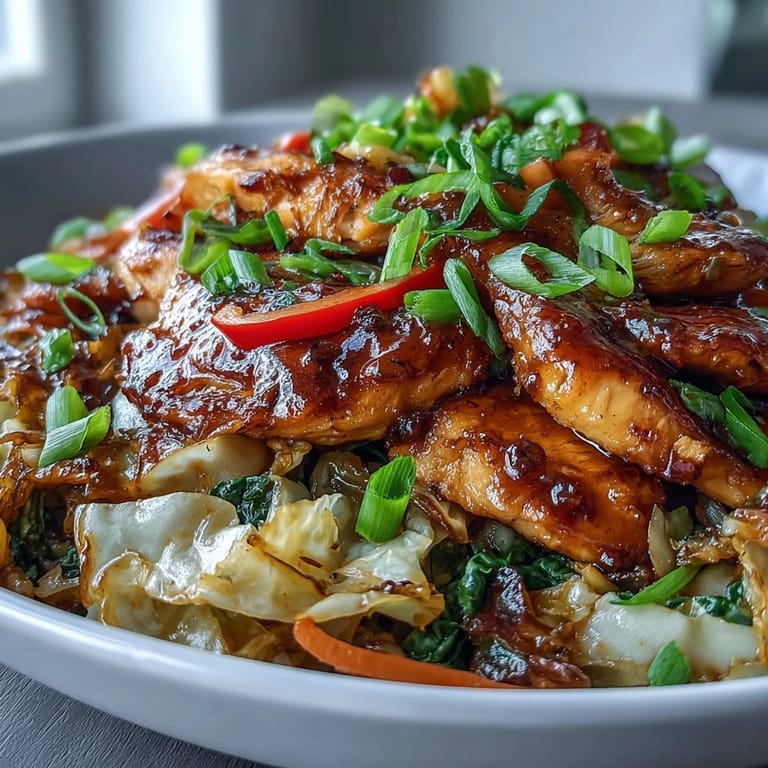
Save One evening, I served this over a mound of jasmine rice, and my youngest said it tasted like the kind of food you get when you are celebrating something. We were not celebrating anything that night, just a regular Wednesday, but it made me realize that good food does not need a reason. Sometimes the celebration is just sitting together and enjoying something warm and delicious.
Serving Suggestions
This stir-fry shines brightest when served over steamed jasmine rice, which soaks up every drop of sauce. Brown rice adds a nutty chew, and noodles, especially lo mein or rice noodles, turn it into a more substantial meal. I have also piled it into lettuce cups for a lighter, crunchier option that feels almost elegant.
Ingredient Swaps and Variations
Chicken thighs can replace breasts for extra juiciness, or swap the chicken entirely for firm tofu, shrimp, or thinly sliced pork. If you want more vegetables, snap peas, broccoli florets, or mushrooms work beautifully and cook in the same amount of time. A pinch of chili flakes or a spoonful of chili garlic sauce will add heat without overpowering the other flavors.
Storage and Reheating
Leftovers keep well in an airtight container in the fridge for up to three days. Reheat gently in a skillet over medium heat with a splash of water to loosen the sauce, or microwave in short bursts, stirring in between. The cabbage will soften a bit more, but the flavors deepen overnight, making the second day just as satisfying.
- Store the stir-fry separately from rice or noodles to keep textures from getting mushy.
- Freeze portions in individual containers for up to two months, then thaw in the fridge overnight before reheating.
- Add a handful of fresh green onions or cilantro when reheating to brighten up the flavors.
 Save
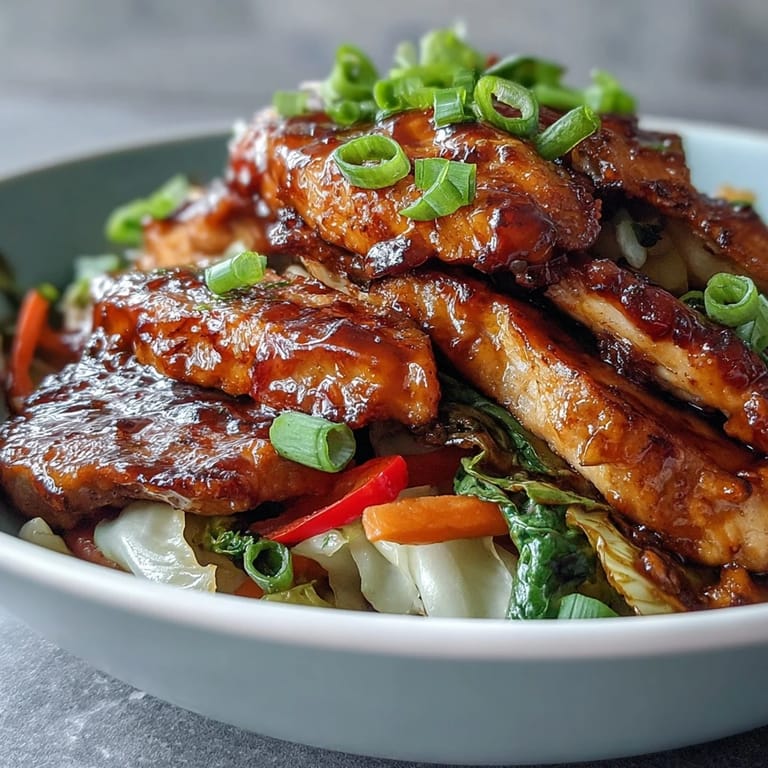
Save This stir-fry has earned its place in my weekly rotation, not because it is fancy, but because it is reliable, delicious, and always ready when I need it. I hope it becomes one of those recipes you reach for without thinking, the kind that feels like home.
Recipe FAQs
- → Can I use a different protein instead of chicken?
Yes, you can substitute tofu, shrimp, or even thinly sliced beef or pork. Adjust cooking times accordingly—tofu needs about 3-4 minutes, while shrimp cooks in 2-3 minutes.
- → How do I make this stir-fry gluten-free?
Replace regular soy sauce with tamari and ensure your oyster sauce and hoisin sauce are labeled gluten-free. Many brands now offer certified gluten-free versions of these condiments.
- → What's the best way to slice cabbage for stir-frying?
Core the cabbage first, then cut it into thin ribbons about 1/4-inch wide. This ensures the cabbage cooks evenly while maintaining a pleasant crisp-tender texture.
- → Can I prepare the sauce ahead of time?
Absolutely. Whisk the sauce ingredients together and store in an airtight container in the refrigerator for up to 3 days. Just give it a quick stir before using.
- → How can I add more heat to this dish?
Add red chili flakes, sriracha, or fresh sliced Thai chilies when sautéing the garlic and ginger. Start with a small amount and adjust to your preferred spice level.
- → What should I serve with this stir-fry?
Jasmine rice, brown rice, or rice noodles make excellent accompaniments. You can also serve it over cauliflower rice for a low-carb option.