 Save
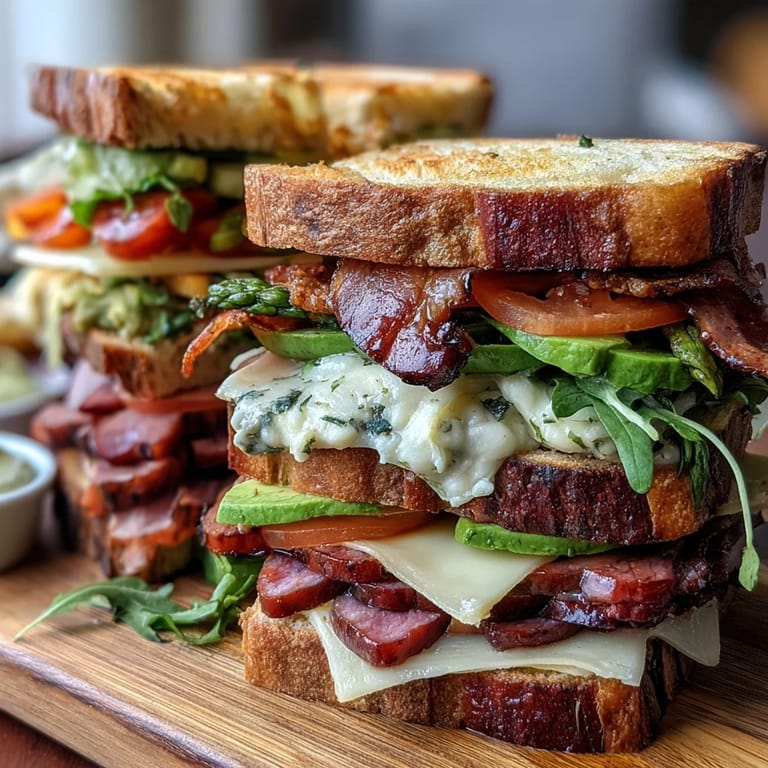
Save My neighbor texted me on a Friday afternoon asking if I could throw together something for their impromptu garden gathering that weekend. Twenty people, she said, all showing up around noon. Instead of panicking, I thought about what made me happiest at outdoor gatherings: standing around a table, building something with my own hands, tasting exactly what I wanted. That's when the sandwich board idea clicked. No timing stress, no plating pressure, just really good ingredients arranged so everyone could play chef.
Standing in my kitchen that Saturday morning with ingredients scattered everywhere, I realized this board was about more than convenience. My friend's teenage daughter, who usually picked at food politely, ended up making three different sandwiches, experimenting with combinations I'd never thought to pair. Her little brother started constructing this wild thing with roast beef, pesto, and banana peppers that somehow actually worked. Watching people discover flavors together, laughing over their creations, turned a simple lunch into something memorable.
Ingredients
- Ciabatta rolls: Their open crumb structure holds everything without falling apart, and they toast beautifully if anyone wants to crisp them up.
- Whole grain sandwich rolls: A heartier option that some guests will prefer, offering nuttier flavor and more chew than white bread.
- Sourdough bread: Brings tanginess and structural integrity that plain sandwich bread lacks, perfect for those who want substance.
- Smoked turkey breast: The leanest deli option and crowd-pleaser for anyone watching what they eat; the smoke flavor adds depth without heaviness.
- Honey ham: Sweet notes that work especially well with mustard-based spreads and cut the intensity of richer meats.
- Roast beef: The protein that makes people feel like they're getting something special; slice it thin enough to fold easily.
- Salami: This is your umami bomb, the ingredient that makes someone's eyes light up when they taste it paired with provolone.
- Swiss cheese: Mild and nutty with natural holes that let other flavors shine through without overwhelming them.
- Cheddar cheese: Sharpness cuts through rich spreads and meats, and it's familiar enough that everyone feels comfortable reaching for it.
- Provolone cheese: The workhorse cheese that pairs beautifully with every single meat option you have.
- Tomatoes: Choose ones at their peak ripeness because they're the moisture and brightness that makes a sandwich sing.
- Cucumber: Its cool crunch is what makes people say 'oh, I needed that' mid-bite.
- Red onion: Slice it thin and it becomes a flavor accent rather than a harsh punch.
- Romaine lettuce: Sturdy enough to support all the wet ingredients without wilting, unlike more delicate greens.
- Baby spinach: For guests who want greens beyond lettuce and appreciate the slight mineral flavor it brings.
- Avocado: The ingredient that makes someone feel fancy; slice it at the last moment so it doesn't oxidize.
- Dill pickle slices: More than a condiment, these are a textural foundation that many sandwich lovers build around.
- Mayonnaise: Your creamy base that makes everything slide together smoothly.
- Dijon mustard: The sophisticated choice that elevates a simple sandwich into something intentional.
- Hummus: For the vegetarian guests and anyone wanting something with substance beyond creamy spreads.
- Pesto: The flavor multiplier that takes a good sandwich and makes people ask what you did differently.
- Honey mustard: Bridges the gap between sweet and savory for guests who like both notes playing together.
- Black olives: Briny depth that works especially well with Mediterranean-leaning combinations.
- Banana pepper rings: Tangy and slightly spicy without being aggressive, they add personality without dominating.
- Sun-dried tomatoes: Concentrated tomato intensity for guests who want bold flavor in every bite.
Tired of Takeout? 🥡
Get 10 meals you can make faster than delivery arrives. Seriously.
One email. No spam. Unsubscribe anytime.
Instructions
- Set your stage:
- Arrange all your breads in the center or along one edge of your board or large tray, standing them up slightly or fanned out so people can easily grab what they need. This is your foundation, so make it inviting.
- Create meat and cheese zones:
- Group your deli meats together in one section and cheeses in another, keeping each type separate enough that flavors don't blur together. Roll or fold slices so they look intentional, not just stacked.
- Organize the vegetables:
- Arrange everything colorfully, remembering that people eat with their eyes first. You can put items directly on the board or use small bowls to keep wet ingredients like cucumbers from making the bread soggy.
- Prepare your spreads:
- Spoon each condiment into its own small bowl with its own serving utensil, keeping labels visible if you have them. This prevents flavors from mixing and keeps things clean for everyone's hands.
- Add the finishing touches:
- Scatter your extras (olives, peppers, sun-dried tomatoes) in whatever remaining space you have, creating visual interest and signals about what combinations might work well together.
- Invite people to build:
- Step back and let guests layer their sandwiches however they want, only offering suggestions if someone looks uncertain. The magic happens when people feel ownership over their creation.
 Save
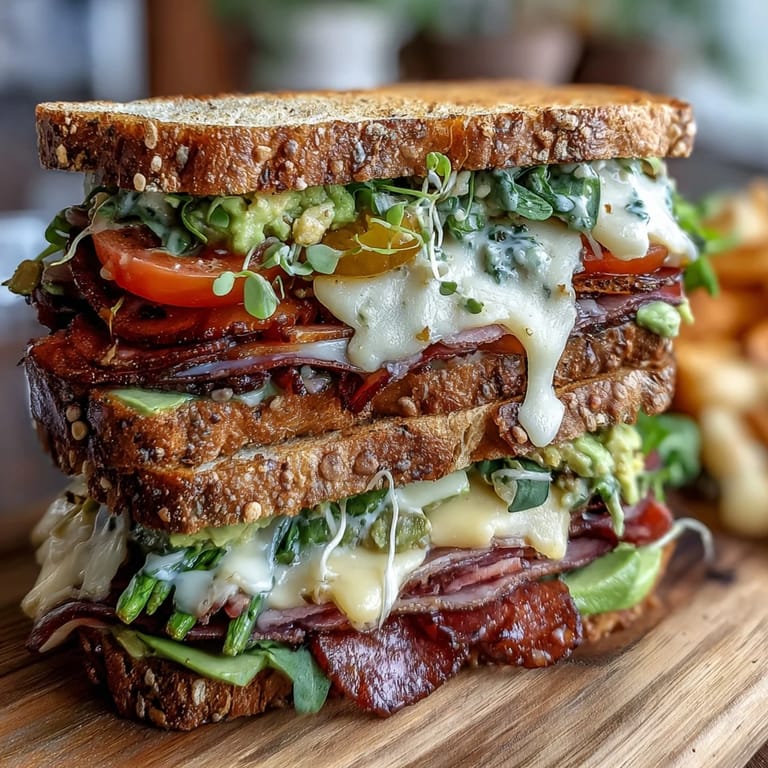
Save That Saturday gathering turned into an annual thing. People started texting me months ahead asking when we'd do 'the sandwich board thing' again. It wasn't the ingredients themselves that became the tradition, it was the permission I'd given everyone to be creative and choose exactly what they wanted. Something about a board of possibilities, I realized, invites people to be a little braver.
Why This Works for Any Occasion
There's something democratizing about a board spread. Nobody feels rushed because the cook's working the whole time they're eating, nobody's stressed about whether they like what was served, and conversations happen naturally around the table instead of stopping while people eat. I've used this setup for everything from neighborhood gatherings to a coworker's baby shower, and it's always been the format people remembered most fondly.
Building Better Combinations
I've learned that certain combinations become obvious once you start thinking about flavor balance. Roast beef and pesto became my neighbor's signature move, while the kids always went straight for salami with everything. The best sandwiches I've seen people make aren't the ones I would've predicted, which is kind of the point. You start discovering that provolone and banana peppers shouldn't work together in theory but absolutely do in practice. The joy is in that discovery, in tasting something that challenges what you thought you liked.
- Don't skimp on the quality of deli meats because thin-sliced excellent salami tastes better than thick mediocre turkey.
- Toast your bread lightly if you're serving this indoors and want to prevent sogginess, but keep it soft for outdoor picnics where it helps hold everything together.
- Label your spreads if you have guests with dietary restrictions or strong preferences, so nobody has surprises.
Making It Your Own
The template matters less than the quality. I've seen versions with Italian meats and fresh mozzarella, versions with smoked salmon and capers, versions that lean completely vegetarian with grilled portobello and marinated white beans. The structure is just an invitation to think about what flavors belong together. Your board should reflect what you love to eat and what you know your guests will appreciate.
 Save
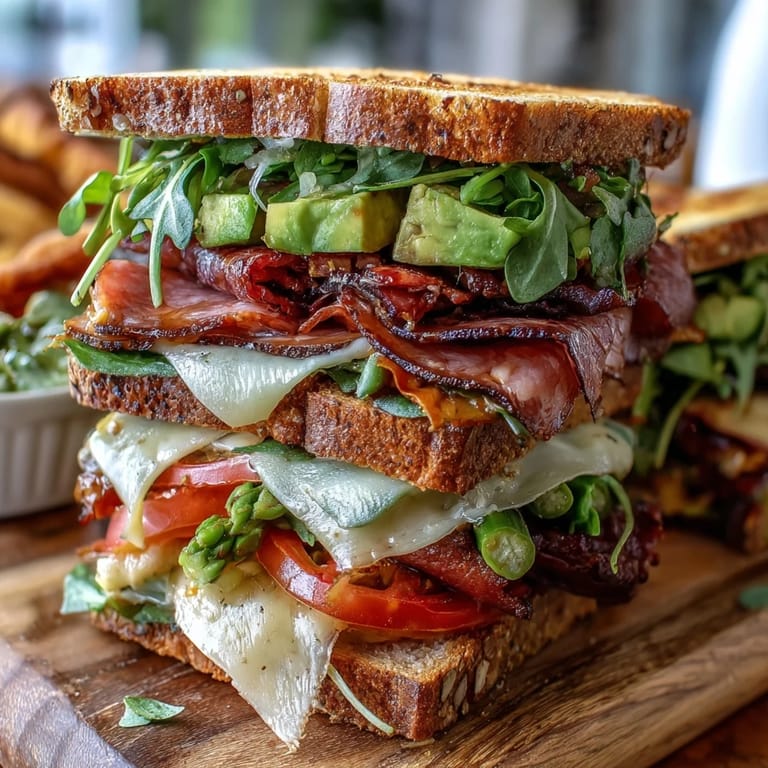
Save A board like this becomes what you need it to be: a simple lunch, a celebration, a way to feed people you care about without turning the meal into theater. That's when food tastes best.
Recipe FAQs
- → What breads work best for this sandwich board?
Ciabatta rolls, whole grain sandwich rolls, and sourdough slices offer sturdy and flavorful bases ideal for layering meats, cheeses, and vegetables.
- → Which deli meats are included in the selection?
The board features smoked turkey breast, honey ham, roast beef, and salami, all pre-sliced for convenience and variety.
- → What spreads complement the assortment?
Mayonnaise, Dijon mustard, hummus, pesto, and honey mustard provide a range of creamy and tangy options to enhance each bite.
- → How should the vegetables be prepared?
Vegetables like tomatoes, cucumber, and red onion are thinly sliced, while romaine lettuce leaves and baby spinach are separated for easy layering.
- → Any tips for serving at a picnic?
Arrange components in separate sections on a large board and provide small bowls with knives or spoons for spreads to allow guests to customize sandwiches easily on site.
- → Are there vegetarian alternatives suggested?
Grilled vegetables, sliced hard-boiled eggs, or plant-based deli slices can be offered as meat-free options to accommodate different preferences.